

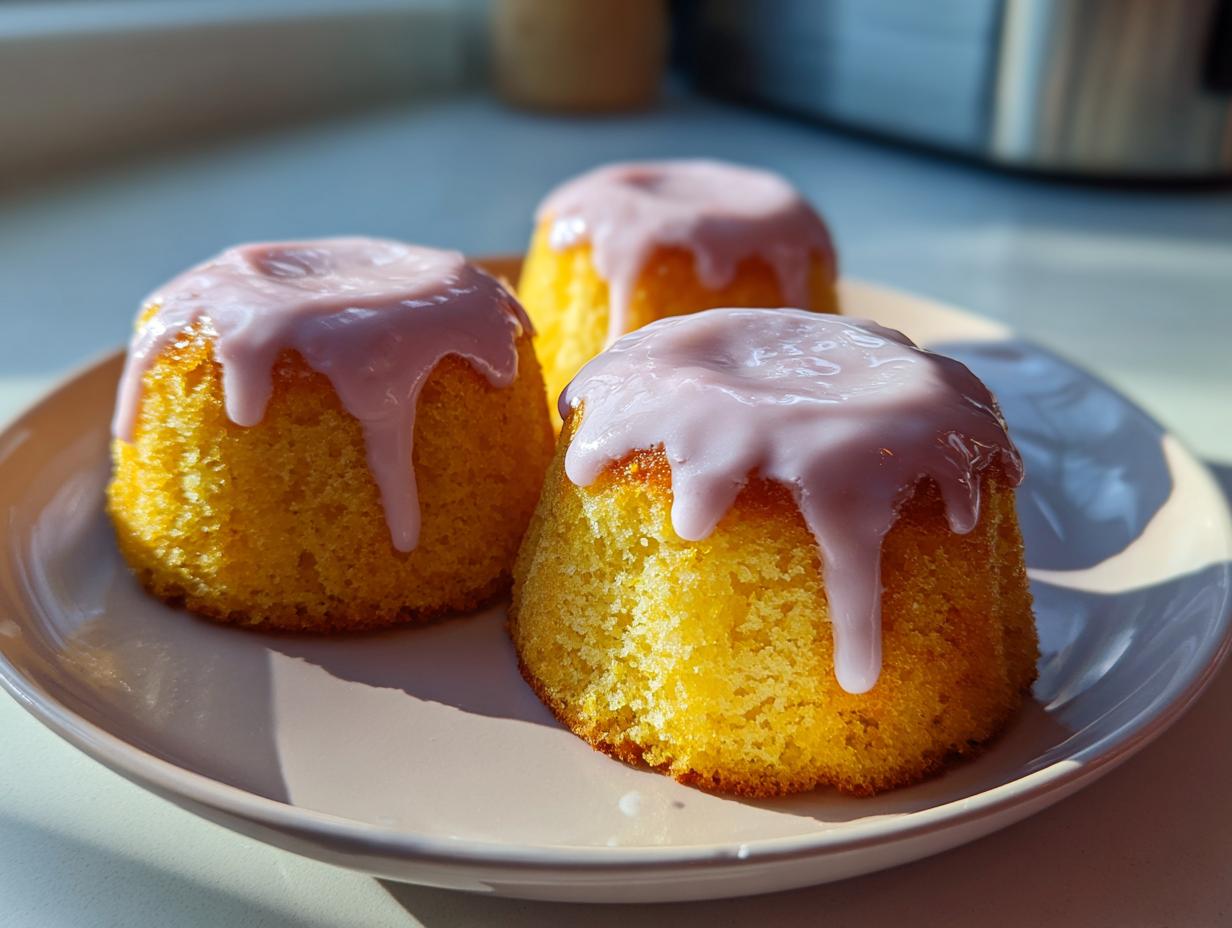
If you’re anything like me, Rosa Sterling, there are days when only a perfect, tiny treat will do. Forget the fussy main course; spring and summer demand gorgeous, individual desserts that are easy to manage but look like they took hours! That’s exactly what we have today: the most delightful mini lemon cakes with lavender glaze. Seriously, the bright, zesty tang of the cake just sings when paired with that soft, floral hint from the glaze. These are my go-to for elegant individual desserts or when I just want to pop something lovely on a plate for afternoon tea. My grandmother always taught me that a small, perfectly executed bake carries more love than a giant, messy one. These little gems prove that homemade lemon desserts don’t need to be complicated to be truly special. Let’s get baking!
- Why You Will Love These Mini Lemon Cakes with Lavender Glaze
- Essential Ingredients for Bright Lemon Cake Batter
- Crafting the Delicate Lavender Glaze Recipe
- Step-by-Step Instructions for Perfect Mini Lemon Cakes
- Tips for Success with Mini Lemon Cakes with Lavender Glaze
- Ingredient Notes and Substitutions for Lemon Lavender Baking
- Serving Suggestions for Your Individual Lemon Desserts
- Storage and Reheating Instructions for Mini Lemon Cakes with Lavender Glaze
- Frequently Asked Questions About Making Mini Lemon Cakes
- Nutritional Estimates for Mini Lemon Cakes
- Share Your Favorite Bright Lemon Dessert Ideas
Why You Will Love These Mini Lemon Cakes with Lavender Glaze
I never bake a dessert unless it delivers on flavor and ease, and these little beauties check every single box! Honestly, these mini lemon cakes with lavender glaze are pure joy in a bite. Trust me on these:
- They deliver the perfect punch of sweet and tart mini cakes flavor needed to wake up your taste buds.
- The individual sizing makes them absolutely perfect for entertaining—no slicing or messy serving required!
- They fit right in as elegant individual desserts for showers, graduation parties, or just a fancy Tuesday afternoon.
- We’re using fresh lemon juice and zest here, so the cake flavor is incredibly bright and authentic, thanks to those best homemade desserts principles.
- That lavender glaze sets up nicely but stays delicate; it’s floral without tasting like soap, which is always my main worry with floral baking!
- They come together surprisingly fast. We’re using simple methods for the batter, so you spend less time mixing and more time admiring your work.

Essential Ingredients for Bright Lemon Cake Batter
Before we even think about that gorgeous floral icing, we need a foundation that pops! These aren’t just any small batch lemon cakes; they need to be tart enough to stand up to the sweetness of the glaze. I learned early on that using room temperature ingredients makes a huge difference in how smooth your batter stays. You want that delicate texture that works so well in those little molds. Because we’re making these small, the texture needs to be spot-on!
Dry Ingredients for the Mini Lemon Cakes
In my kitchen, we always whisk the dry things first. It might seem like an extra step, but it stops those little pockets of baking soda that can pop up and taste metallic later on. You’ll need your flour, baking powder, baking soda, and salt whisked together until they look uniform. That’s it for the dry team!
Wet Ingredients and Flavorings
Here’s where the sunshine comes in! Make sure your butter is truly softened—soft enough that your finger leaves a gentle dent, but not oily or melted. Creaming that with the sugar is vital for structure. We use two whole eggs at room temperature, which helps bind everything beautifully. Don’t skimp on the fresh lemon juice and zest here; that’s the real secret behind a truly bright lemon dessert, far better than any bottled stuff you can get at the store, even when you’re looking for something quick like our quick weeknight recipes. The buttermilk adds a touch of needed acid and moisture, too.
Crafting the Delicate Lavender Glaze Recipe
Okay, let’s talk about the star of the show: the lavender glaze recipe. This is where we turn a great mini cake into an elegant showstopper. Since I know the number one fear with floral icing is that it tastes like soap, we’re going to do this the right way to get that perfect hint of perfume without overwhelming the bright lemon flavor. This method ensures you get that beautiful, subtle floral infused icing we are aiming for. Trust me, the result is worth the extra little step!
Infusing Lavender for the Perfect Glaze Flavor
You absolutely must use food-grade or culinary lavender buds here; the stuff from the garden might have bugs or pesticides, and we don’t want that in our frosting! To extract the flavor safely, we gently warm up just a little bit of fresh lemon juice—think barely simmering, not boiling—and add the lavender buds right in. I let that sit and steep for about 15 minutes. This warmth pulls out the flavor oils, but if you boil it too long or too hot, you’ll pull out the bitter compounds. After steeping, strain every last drop out through a fine sieve. That lovely pale purple-yellow liquid is pure gold for our cakes.

Achieving the Right Consistency for Your Lavender Glaze Recipe
Now for the mixing! Make sure your powdered sugar is totally sifted—no lumps allowed in this delicate coating. Gradually whisk that lavender lemon juice into the sugar. Start slow! You want a thick drizzle, not a watery mess. If it gets too thin, just add a tiny bit more sifted powdered sugar. If it’s stiff, add milk or water just a teaspoon at a time. Remember, we need this glaze to set up nicely on the top of your miniature lemon treats, so it needs to be thick enough to hold its shape but fluid enough to drip beautifully down the sides!
Step-by-Step Instructions for Perfect Mini Lemon Cakes
Gather up your prepped pans (I always use the mini bundt set for these!), and let’s get this beautiful mini lemon cakes with lavender glaze batter mixed! I’ve found that following the creaming and alternating steps exactly ensures a delicate crumb that just melts in your mouth. This is where we build the structure for those lovely little cakes. Knowing how to mix properly is crucial, almost as important as knowing how to get a quick dinner on the table during the week!
Mixing the Quick Lemon Cake Batter
First thing’s first: treat that softened butter and sugar right! Beat them together until they look pale, creamy, and fluffy—that’s the air incorporation talking. Then, toss in your eggs one at a time; make sure the first one is fully mixed in before adding the second. Now for the main rule of cake mixing: alternate what you add. Start by adding about a third of your dry ingredients, mix just until it disappears. Then add half of your buttermilk/lemon juice mixture and mix lightly. Repeat this pattern, always ending with the dry ingredients. When you add that last bit of flour, I stop mixing the moment I don’t see streaks anymore. Overmixing at this stage is how you get rubbery results, and we absolutely don’t want that in our quick lemon cake batter!
Baking and Cooling Your Miniature Lemon Treats
Spoon that gorgeous batter into your prepared molds, filling them about two-thirds full; this leaves room for a nice little dome on top. Slide them into a preheated oven at 350°F (175°C). Because they are so small, they bake super fast, usually between 15 and 18 minutes. Always test with a toothpick—it should come out clean with maybe a few moist crumbs attached. Let them sit in the pan for just five minutes. If you let them cool completely in the tin, they can stick or break, which is a tragedy! Gently turn those miniature lemon treats out onto a cooling rack and let them come to room temperature fully before you even think about glazing them.
Tips for Success with Mini Lemon Cakes with Lavender Glaze
Baking these mini lemon cakes with lavender glaze is mostly foolproof, but a couple of small details really take them from good to amazing. Pay close attention to your pan prep; because these are small, they can be sticky if you don’t grease and flour thoroughly, or even better, use a touch of cake release spray. Don’t over-measure that lemon zest, either! Too much zest can make your tender cake batter slightly bitter under the heat, so leveling off your measuring spoon is key.
The biggest mistake people make is over-baking these little guys since they look done so quickly. Since they are small, they go from perfect to dry in about three minutes flat! Pull them out as soon as that toothpick comes out clean, not dry. For the glaze, remember that the cakes must be completely cool before you drizzle. If the cake is even slightly warm, that beautiful floral icing melts right off. For more easy baking wins, check out my trick for homemade pretzel dogs!
Ingredient Notes and Substitutions for Lemon Lavender Baking
I always get questions when I share a recipe that uses something a little unique, like culinary lavender! Honestly, I love the gentle way the buds flavor the lemon juice for the glaze, but I know sometimes you just need a shortcut, or maybe your local store is fresh out of edible flowers. Don’t let that stop you from making these beauties; this is what mastering home baking is all about—adapting!
If you can’t find culinary lavender, or if you are worried about that floral taste going too strong, swapping to an extract is perfectly fine. Use about half a teaspoon of good quality lavender extract directly into the glaze once the powdered sugar is mixed in. Start small, stir it well, and then taste it. A little goes a very long way with extracts, so you can always add more, but you can’t take it out!

What if you don’t have buttermilk for the cake? Don’t panic! This is a classic home-cook fix. Just measure out a tablespoon of white vinegar or lemon juice and add it right into your regular milk measurement, then let it sit on the counter for about five minutes until it looks slightly curdled. That acidity works just like buttermilk when it comes to tenderizing the crumb in your lemon lavender baking. For all my favorite ways to use up other pantry staples, you should take a peek at my recipe for homemade cheese soup!
Serving Suggestions for Your Individual Lemon Desserts
The beauty of our mini lemon cakes with lavender glaze is that they naturally lend themselves to beautiful presentation. Since they are already portioned as elegant individual desserts, half the work is done for you! When I make these, I feel like I’m channeling a fancy tearoom host right in my own dining room.
For a really stunning presentation, skip the messy drizzle and instead carefully dip the top dome of the cooled mini cakes completely into the glaze. Let the excess drip off for a second, and then place them on a simple white serving platter lined with a bit of lace or folded linen. A couple of fresh, edible lavender sprigs tucked next to them makes the whole platter look instantly gourmet.
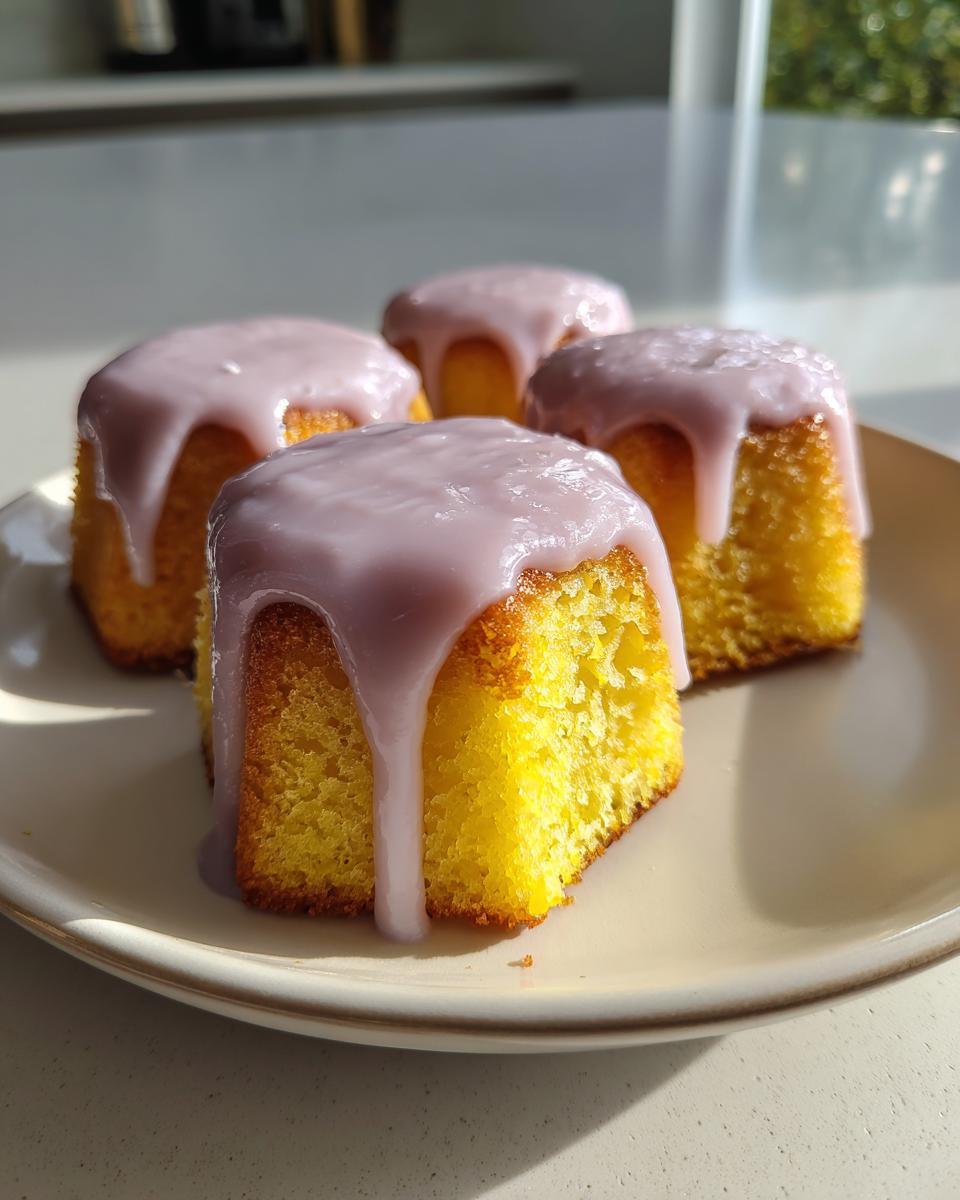
These honestly shine brightest when served slightly cool, making them perfect for afternoon events or as a light finish after a big meal. They pair unbelievably well with a strong, hot cup of tea—especially Earl Grey or a delicate white blend. If you’re looking for a fantastic, bright pairing drink, you absolutely have to try them alongside my recipe for a refreshing summer watermelon smoothie when you want something chilled!
Storage and Reheating Instructions for Mini Lemon Cakes with Lavender Glaze
Now, I know you might be tempted to eat all of these mini lemon cakes with lavender glaze in one sitting—I certainly am!—but if you manage to save a few, storage is key, especially because of that sugary glaze we worked so hard on.
Since these are small batch lemon cakes, they don’t dry out as fast as a giant sheet cake would, but the glaze is the tricky part. If the weather is cool and dry, you can absolutely keep your glazed cakes stored in an airtight container right on the counter at room temperature for up to two days. Keep them protected from any direct sunlight. The sugar in the glaze acts as its own mild preservative, so we usually don’t need the fridge unless your kitchen is stiflingly hot.
If you do need to refrigerate them—maybe you made them for a party days ahead—place them in a sealed container, but be warned: the cold tends to make the lemon cake structure a little firmer. To bring them back to their soft, tender state, pull them out of the fridge about 45 minutes before serving. Don’t try to microwave them with the glaze on, trust me! They are so much better brought back to room temperature naturally. If you want to freeze them unfrosted, that works perfectly too! Check out my tips for freezing things like my moist bran muffins for general best practices!
Frequently Asked Questions About Making Mini Lemon Cakes
It’s so funny how even the simplest recipes can spark questions! I always want to make sure you feel completely confident before you even turn on the oven. When baking something new, like these amazing mini lemon cakes with lavender glaze, having clear answers makes all the difference between a good bake and a fantastic one. I gathered up the most common things folks ask me when they try this recipe for the first time.
How to make lavender glaze without using buds?
Like I mentioned before, if you can’t find those lovely dried culinary lavender buds, please don’t stress! We can easily swap this for lavender extract, which is often found in specialty baking aisles. The biggest piece of advice I can give you here is to start incredibly small. Extracts, especially floral ones, are potent! I recommend whisking in just 1/4 teaspoon of the extract into your powdered sugar mixture first, stirring well, and then tasting it. You can always add half a teaspoon at a time until you hit that perfect floral note. You’re aiming for a beautiful hint, not a mouthful of perfume!
Can I bake these as full-sized lemon lavender baking?
Absolutely, you can! These little cakes are basically a scaled-up batter recipe, so they translate well to bigger pans. If you skip the mini molds and use a standard 9×13 inch pan, I usually bake them for about 25 to 30 minutes at that same 350°F. If you go for loaf pans, they will take longer—probably hitting 45 to 55 minutes because the heat has further to travel to the center. Always use that toothpick test; when you are doing full-sheet lemon lavender baking, remember that the center takes the longest to cook through. Keep an eye on those edges!
Do you have other questions? Maybe about making these gluten-free? Feel free to drop a comment below or check out my main ideas hub for easy breakfast recipes!
Nutritional Estimates for Mini Lemon Cakes
Now, I’m certainly not a nutritionist—I’m a home cook who believes in making food we truly love! So, take these numbers with a grain of salt, just as I do. These values are just estimates based on the standard ingredients and portion sizes listed in the recipe card. They don’t account for slight variations in how much sugar you might use in your lavender glaze recipe or which brand of butter you prefer.
Here is a general breakdown per one miniature cake, glazed:
- Serving Size: 1 mini cake
- Calories: 220
- Sugar: 25g
- Fat: 10g (with 6g saturated)
- Carbohydrates: 32g
- Protein: 3g
That sugar content is mostly due to that lovely, thick icing we drizzled on top! If you’re aiming for lighter individual lemon desserts, you could always scrape off a little extra glaze before eating. Remember, the joy of baking at home is that you are in total control of the final product!
Share Your Favorite Bright Lemon Dessert Ideas
I truly hope you enjoy these little bursts of sunshine as much as my family does! There is nothing that brings me more happiness than seeing you all bring these recipes to life in your own kitchens. When you make these mini lemon cakes with lavender glaze, please, please come back and leave a star rating right below the recipe card. It helps other home cooks know they can trust these simple steps!
And if you happen to snap a picture of your perfect little creations—maybe dusted with powdered sugar or beautifully presented for a tea party—tag me on social media! I absolutely adore seeing your results and hearing about the occasions you baked these for. Were they for a birthday? A quiet weekend indulgence? Share your favorite bright lemon dessert ideas in the comments below!
If you have any questions at all while you’re mixing or infusing that glaze, don’t hesitate to reach out through my contact page. Happy baking, friends, and I can’t wait to see what you whip up next!
PrintMini Lemon Cakes with Lavender Glaze

Bake bright, tart mini lemon cakes topped with a delicate, floral lavender glaze. These individual desserts are perfect for afternoon tea or elegant gatherings.
- Prep Time: 20 min
- Cook Time: 18 min
- Total Time: 38 min
- Yield: 12 mini cakes 1x
- Category: Dessert
- Method: Baking
- Cuisine: American
- Diet: Vegetarian
Ingredients
- 1 1/2 cups all-purpose flour
- 1 teaspoon baking powder
- 1/2 teaspoon baking soda
- 1/4 teaspoon salt
- 1/2 cup unsalted butter, softened
- 1 cup granulated sugar
- 2 large eggs
- 1/2 cup buttermilk
- 1/4 cup fresh lemon juice
- 1 tablespoon lemon zest
- 1 teaspoon vanilla extract
- 1/4 cup dried culinary lavender buds (for glaze infusion)
- 2 cups powdered sugar, sifted
- 2–3 tablespoons fresh lemon juice (for glaze)
- 1 tablespoon milk or water (optional, for thinning glaze)
Instructions
- Preheat your oven to 350°F (175°C). Grease and flour a standard 12-cup mini muffin tin or mini bundt pan set.
- In a medium bowl, whisk together the flour, baking powder, baking soda, and salt. Set aside.
- In a large bowl, cream the softened butter and granulated sugar together until light and fluffy. Beat in the eggs one at a time, mixing well after each addition.
- In a small bowl, mix the buttermilk, 1/4 cup lemon juice, and vanilla extract.
- Gradually add the dry ingredients to the wet ingredients, alternating with the buttermilk mixture, beginning and ending with the dry ingredients. Mix until just combined; do not overmix. Stir in the lemon zest.
- Spoon the batter evenly into the prepared mini cake molds, filling each about two-thirds full.
- Bake for 15 to 18 minutes, or until a toothpick inserted into the center comes out clean. Let the cakes cool in the pan for 5 minutes before turning them out onto a wire rack to cool completely.
- To make the lavender glaze, gently heat 2 tablespoons of fresh lemon juice in a small saucepan over low heat. Add the dried culinary lavender buds. Heat for 3 minutes, stirring constantly. Do not boil. Remove from heat and let the lavender steep in the warm juice for 15 minutes.
- Strain the lavender-infused lemon juice through a fine-mesh sieve into a clean bowl, pressing on the buds to extract all liquid. Discard the buds. You should have about 1 1/2 tablespoons of infused juice.
- Whisk the sifted powdered sugar into the lavender lemon juice until smooth. If the glaze is too thick, add milk or water, 1 teaspoon at a time, until you reach a thick but pourable consistency.
- Once the mini cakes are completely cool, drizzle or dip the tops into the lavender glaze. Let the glaze set before serving.
Notes
- For a stronger lavender flavor without bitterness, steep the buds for a shorter time or use lavender extract instead of infusing the juice.
- If you do not have culinary lavender, you can substitute with 1/2 teaspoon of lavender extract in the glaze mixture.
- These small batch lemon cakes are excellent served slightly warm or at room temperature.
Nutrition
- Serving Size: 1 mini cake
- Calories: 220
- Sugar: 25g
- Sodium: 110mg
- Fat: 10g
- Saturated Fat: 6g
- Unsaturated Fat: 4g
- Trans Fat: 0g
- Carbohydrates: 32g
- Fiber: 0.5g
- Protein: 3g
- Cholesterol: 55mg