

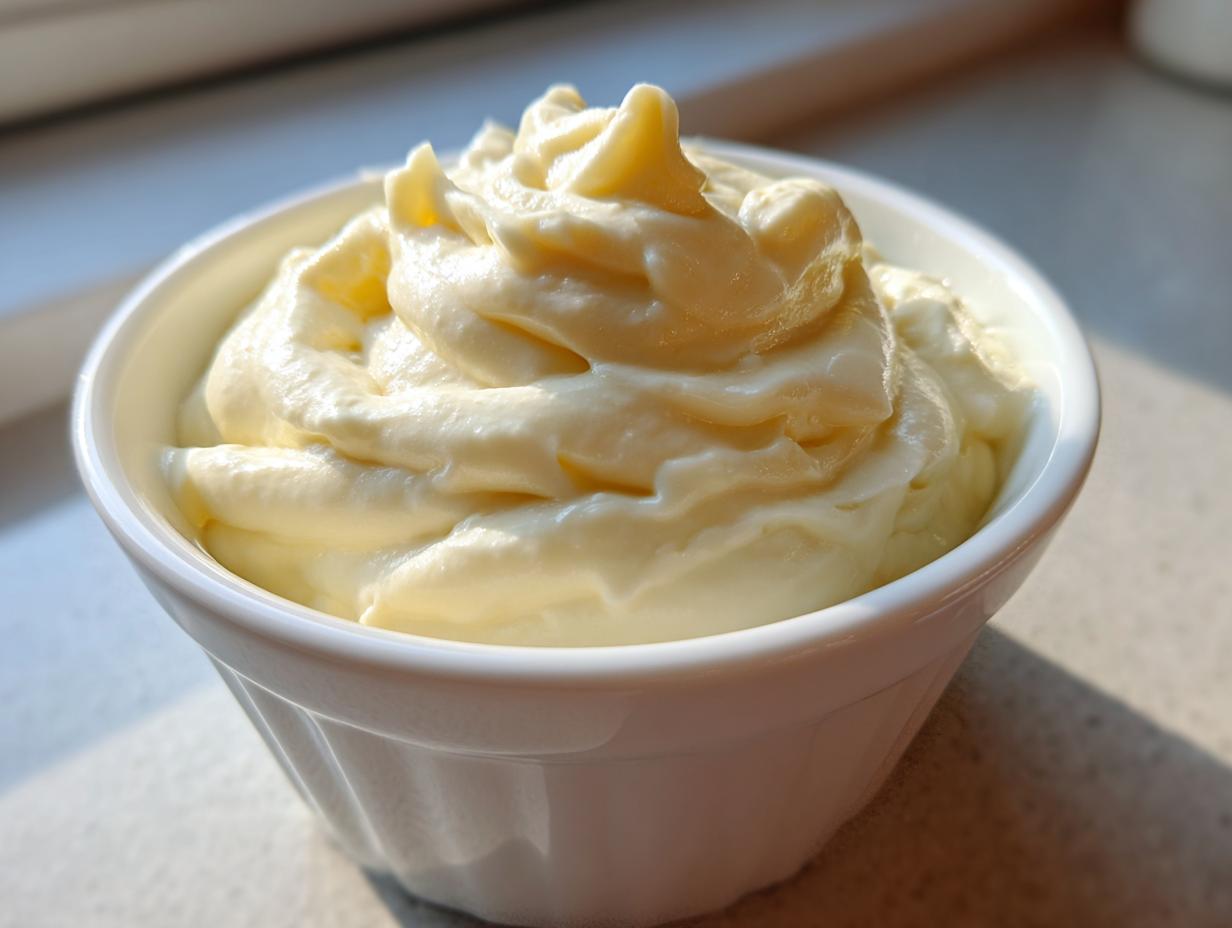
Honestly, once you taste a condiment made right at home, you can never go back to the stuff from the jar. It’s a whole different world of flavor, trust me! That’s why I’m sharing what I believe is the ultimate homemade mayonnaise recipe—it’s unbelievably easy, reliably creamy, and absolutely failproof when you use the right technique. As a mom and former teacher, I know exactly how hectic the weeknight rush can be. You shouldn’t have to sacrifice flavor for speed. This recipe, perfected over years of balancing homework and dinner prep, uses just five simple ingredients and comes together faster than you can tear open a store-bought packet. Get ready to toss out that old jar!
- Why You Will Love This Easy Homemade Mayo Recipe
- The Best Homemade Mayonnaise: Ingredients for Creamy Mayonnaise From Scratch
- Quick Mayonnaise Tutorial: How to Make Homemade Mayonnaise Using Blender
- Storage & Reheating Instructions for Your Fresh Condiment
- Serving Suggestions for Rich and Smooth Mayonnaise
- Frequently Asked Questions About Making Homemade Mayonnaise
- Understanding the Nutrition of Your Homemade Mayonnaise
- Share Your Experience Making Homemade Mayonnaise
Why You Will Love This Easy Homemade Mayo Recipe
This recipe isn’t just good; it’s revolutionary for quick meals. It’s a total game-changer when you need a substitute for store bought mayo that beats it on taste every single time.
- Lightning Fast: We are talking five minutes total for that creamy mayonnaise from scratch.
- Simple Ingredients: You only need five things that you probably already have.
- Texture Perfection: Guaranteed silky smooth results, especially when you follow my blending trick.
- Fresh Flavor: It makes any simple meal, like those wonderful quick, healthy lunch ideas, taste gourmet!
The Best Homemade Mayonnaise: Ingredients for Creamy Mayonnaise From Scratch
When you’re making something this pure, you simply can’t skimp on quality. The beauty of this recipe is that we only use five core items, but their temperature and type matter a lot for creating that perfect emulsion.
Here is exactly what you need to gather before you even turn on the blender:
- 1 large egg yolk, room temperature
- 1 teaspoon Dijon mustard
- 1 teaspoon fresh lemon juice
- 1/4 teaspoon salt
- 1 cup neutral oil (like canola or light olive oil), room temperature
I cannot stress this enough: everything needs to be room temperature. If your egg yolk or oil is straight from the fridge, the mayonnaise might refuse to thicken, leaving you with sad, oily soup.
Ingredient Notes and Substitutions for Homemade Mayonnaise
Since we are keeping this recipe so basic, the ingredients we pick make all the difference. For the oil, I strongly recommend a light or refined olive oil, or even canola oil. This keeps your creamy mayonnaise from scratch tasting clean and bright. If you try to use a strong, extra-virgin olive oil, the mayo will taste quite bitter; it overwhelms the delicate yolk flavor.
Now, about that Dijon mustard—don’t skip it! It isn’t just for flavor; the mustard has lecithin and acid, which act as a fantastic stabilizer. It gives the egg yolk a real boost to grab onto that oil and hold tight, making your mixture much less likely to separate later on. It’s my secret weapon for reliability!
Quick Mayonnaise Tutorial: How to Make Homemade Mayonnaise Using Blender
Alright, this is where the magic happens! If you follow these steps exactly, you’re going to have the richest, smoothest batch of homemade mayonnaise you’ve ever dreamed of. Remember, speed is key once you start pouring that oil, so have everything ready to go. This whole process is what makes this an amazing quick mayonnaise tutorial.
First, get your egg yolk, Dijon mustard, lemon juice, and salt right into the jar of your immersion blender, or whatever tall, narrow container you are using. Pulse that just for about 15 seconds until it looks a little pale and everything is happy together. Don’t overthink it; just mix the base. If you happen to be using a standard food processor, this initial step is similar, though you’ll start the oil stream through the feed tube as shown in tutorials like the one over at The Spanish Apron.
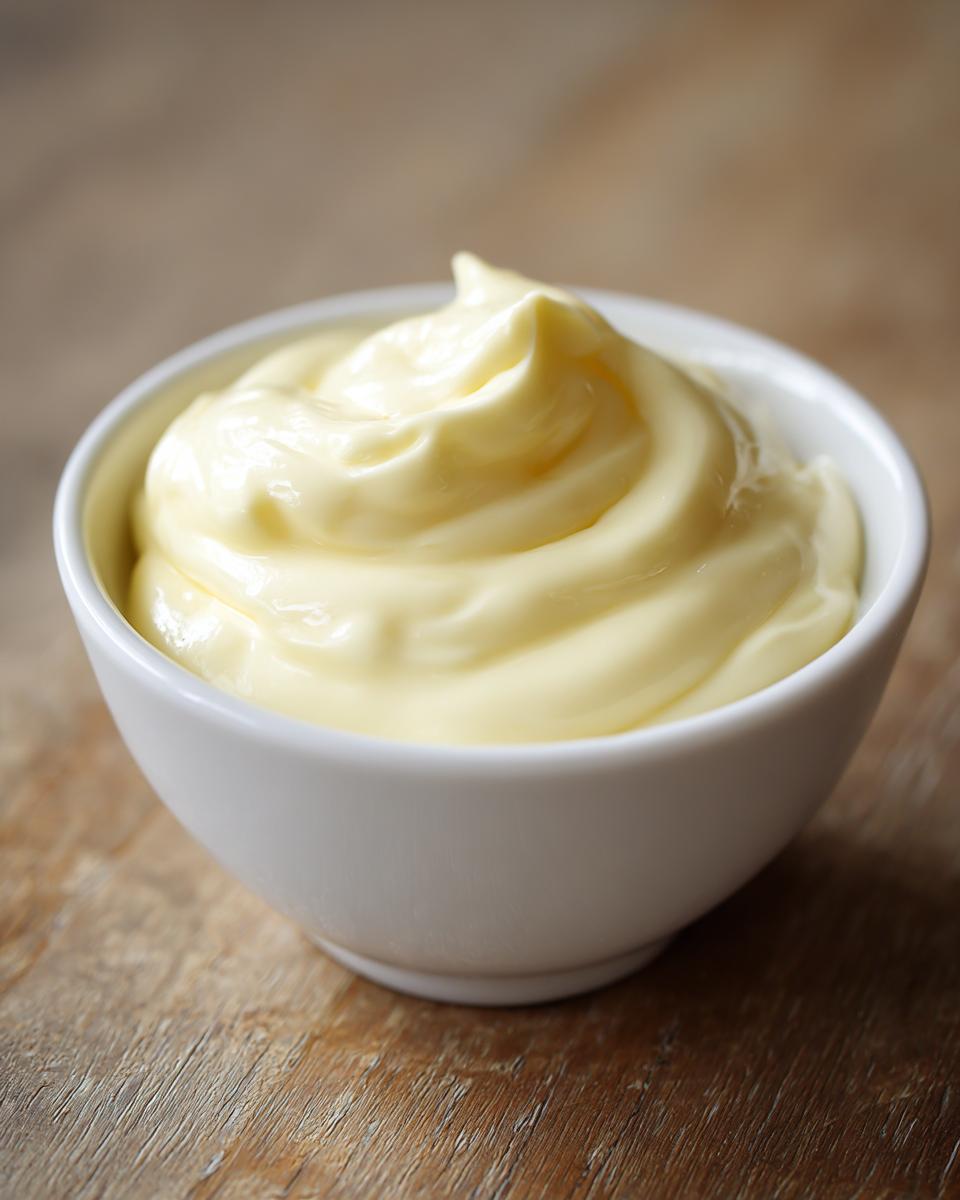
Now listen close, because this next part determines everything: With the blender running steadily on medium speed, you must start adding the oil in the slowest, thinnest stream you possibly can manage. I mean a thread of oil, not a drizzle! You are trying to gently introduce the fat to the yolk mixture. Keep that stream going steadily until half the oil is incorporated and you can physically see the mixture transforming from liquid into a thick, creamy paste.
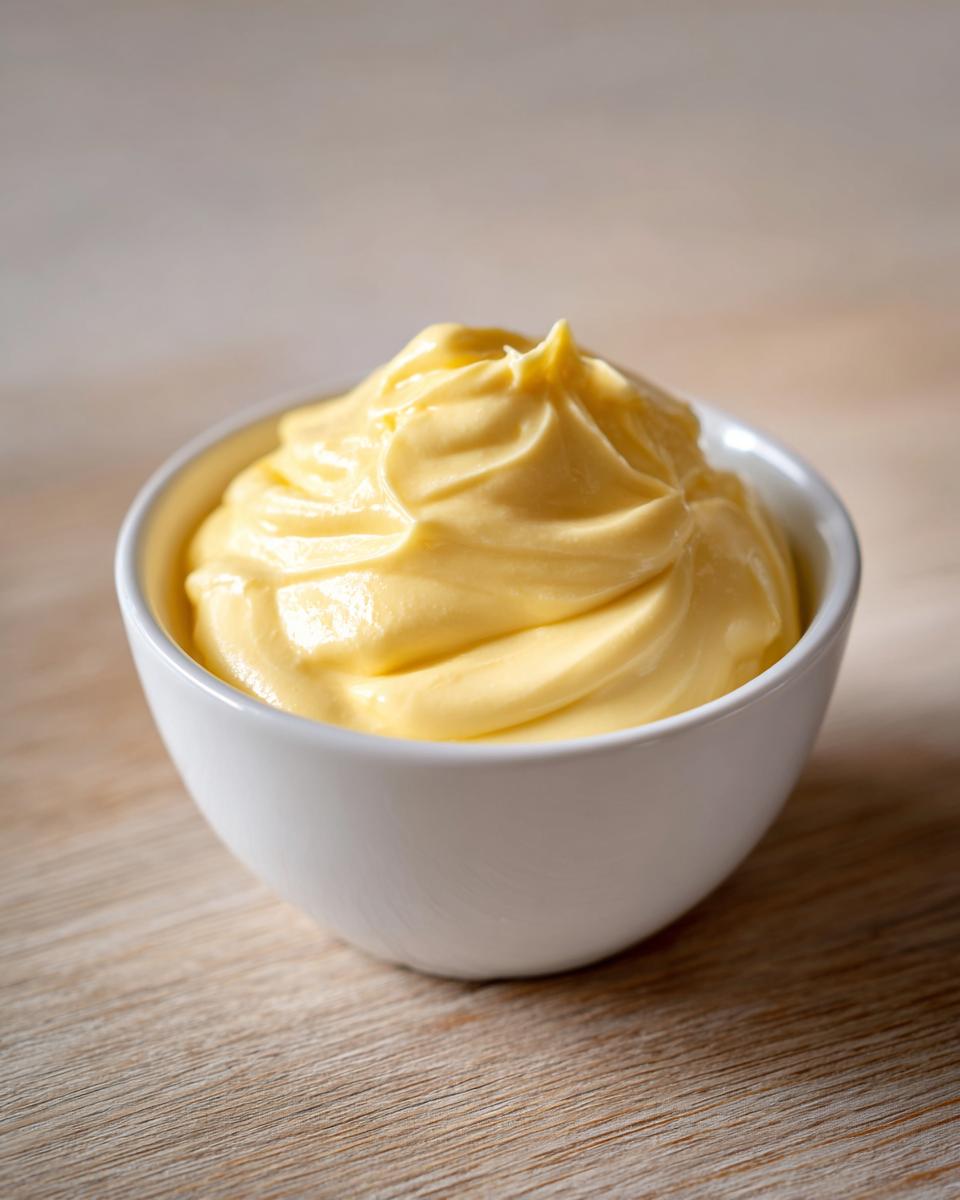
Once it looks thick—really thick—you can speed up that oil stream a *tiny bit*, but keep it coming steady until every last drop of that cup of oil is mixed in. Wow! If you want it thinner for a dressing, just blend in a teaspoon of warm water right at the very end. That’s it! You’ve just made real mayonnaise!
Tips for Success: Achieving Failproof Mayonnaise Emulsion
You want this to be failproof mayonnaise, and I promise you it can be! The absolute biggest mistake people make is pouring the oil too fast near the beginning. If you rush that initial introduction, the mixture will break and look watery. But don’t panic if it happens!
If your mixture separates and looks oily instead of creamy, here’s the trick: grab a completely clean small bowl, put one teaspoon of warm water inside, and then slowly, slowly whisk in the broken mayonnaise, teaspoon by teaspoon. It will come back together like nothing ever happened! I remember the first time I ever tried to make homemade mayonnaise—it totally broke, and I almost cried! But my grandmother taught me that bowl trick, and I’ve never had a failure since. It’s all about knowing how to rescue it!
Storage & Reheating Instructions for Your Fresh Condiment
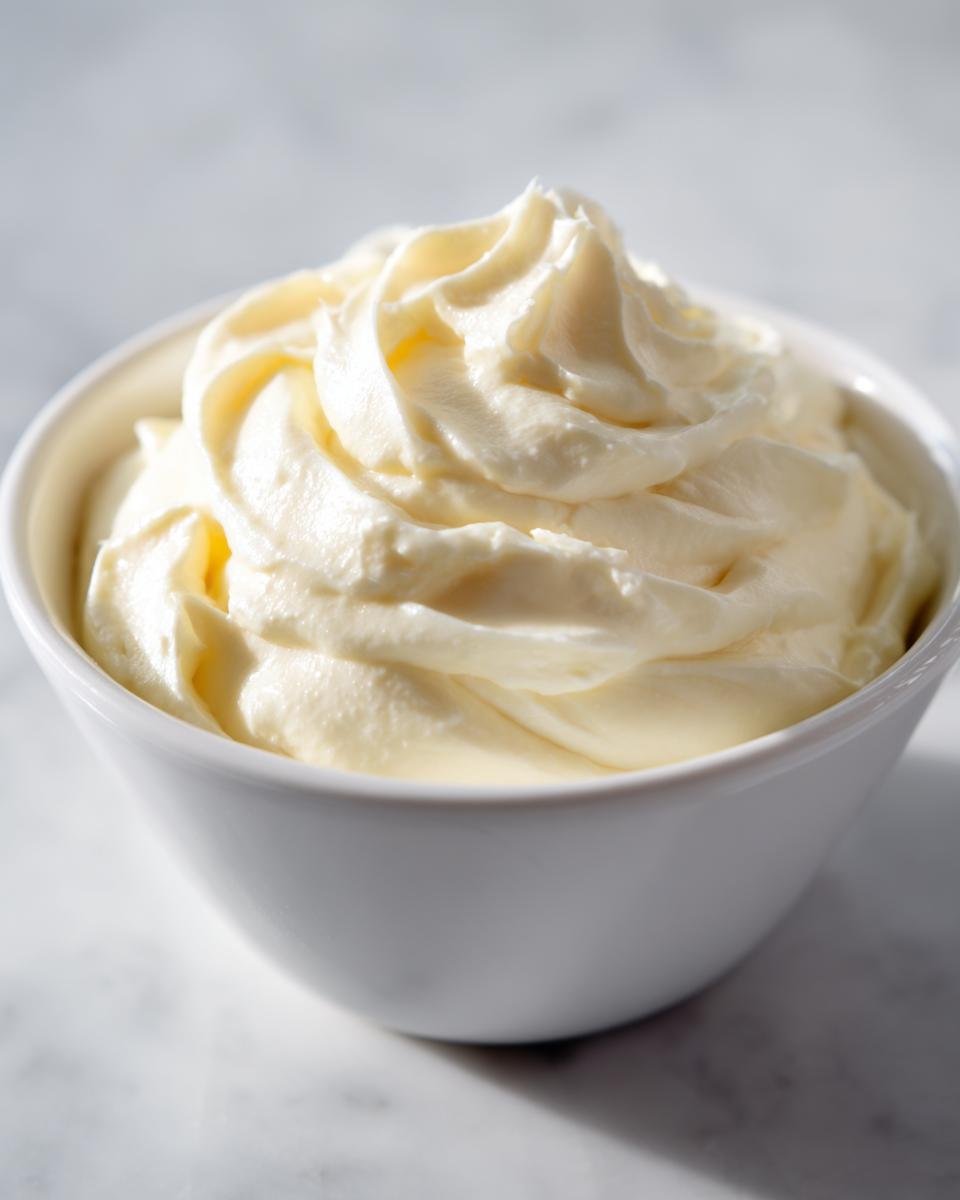
Because we are keeping this recipe wonderfully fresh—no weird preservatives here—storage is something we need to handle responsibly. I always feel better knowing exactly how long my fresh condiment recipes are good for. You made this mayo with a raw egg yolk, so we can’t leave it sitting out on the counter!
The absolute best way to store your batch is straight into an airtight container. I love using small glass jars for this. They seal up tight and keep the air out, which helps maintain that beautiful, rich texture we worked so hard to create.
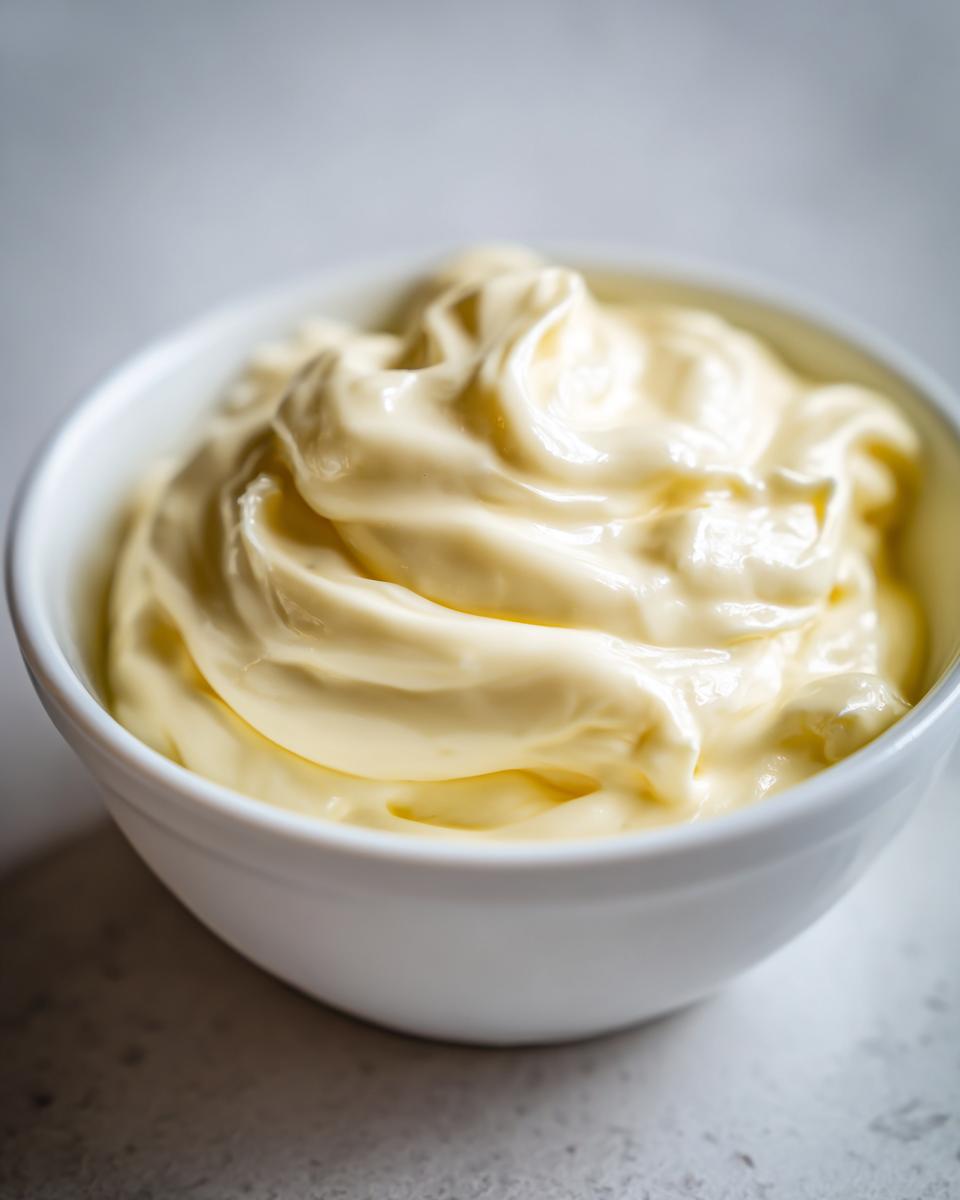
Generally, I tell folks that if you’ve handled everything cleanly and kept it refrigerated, this homemade batch should be spectacular for about one week. After about seven or eight days, the flavor starts to flatten a little, so try to use it up quickly!
Now, I get asked this all the time: “Rosa, can I warm up my mayonnaise?” The answer is a firm no, sweetie. Mayonnaise is an emulsion, and heating it up will break that beautiful bond immediately. You’ll just end up with separated oil and egg again, which is not fun! If you need a warm sauce, this is better used as a base ingredient that gets tossed with warmed items right before serving, not heated directly in a pan.
Serving Suggestions for Rich and Smooth Mayonnaise
Now that you have this gorgeous, creamy base, what on earth are you going to do with it? Honestly, homemade mayonnaise is perfect straight on a thick slice of toasted bread, but we can do better! Since this stuff is made with love, you should treat your meals like they deserve the best.
This richness makes it the perfect creamy salad dressing base. Forget those watery bottled ranch dressings; whisk a little buttermilk or sour cream into this mayo, add some herbs, and you have an instant, authentic dressing. It’s also the backbone for the best lunchtime classics.
If you need inspiration, try using it to make my famous chicken salad sandwich filling! Or, for a classic treat, use it as the binder for the best creamy egg salad. You can also find neat ideas for using it in dips over at The Homesteading Way. Enjoy that fantastic flavor!
Frequently Asked Questions About Making Homemade Mayonnaise
I always get so many questions whenever I post about making things from scratch! It’s completely normal, especially when dealing with emulsions. Don’t worry about silly questions—if you’re curious, chances are someone else is too! Here are a few things I hear often about making homemade mayonnaise.
Can I use a food processor instead of a blender for this recipe?
Yes, you absolutely can! A food processor works wonderfully, especially if you’re making a bigger batch. The trick, just like with the immersion blender, is to keep the speed steady. Start by blending your yolk mixture until it’s smooth, and then pour your 1 cup of oil into the bowl very slowly through the feed tube while the blades are running. It should still take you a good three to four minutes—the slow addition of oil is what keeps everything thick and delicious, giving you that rich and smooth mayonnaise texture we love.
How long does homemade mayonnaise last in the fridge?
Since this recipe uses fresh, raw egg yolk, it doesn’t last as long as the commercial stuff loaded with stabilizers. If you’ve kept it refrigerated in a truly airtight container, you should aim to use it up within about 7 days. After that, the freshness starts to fade quickly. I always suggest making a smaller batch if you know your family won’t use it all up in a week! It’s great for making quick easy breakfast recipes!
Can I make this recipe with a whole egg instead of just the yolk?
You can, but it changes things! Using just the yolk gives you that super thick, decadent result—it’s the key to the *best* homemade mayonnaise. If you use a whole egg, you’ll definitely need a bit more oil, maybe an extra quarter cup, to make up for all that extra liquid white. It will be slightly less rich and a little looser, but still very tasty! You can find more details on adapting recipes like this over at Downshiftology.
Understanding the Nutrition of Your Homemade Mayonnaise
Now that you’ve mastered making this gorgeous, creamy condiment, you might be wondering what exactly goes into that dollop on your sandwich. Since we’re skipping all those preservatives and stabilizers found in the jars, the nutrition label is really quite straightforward—it’s mostly the goodness of the oil you choose!
I need to be clear here: because we rely on simple ingredients and don’t manufacture this in a lab, these numbers are estimates. Your final count will change depending on whether you use canola, sunflower, or that stronger olive oil we talked about earlier. But this gives you a fantastic baseline for tracking what you’re eating:
- Serving Size: 1 tablespoon
- Calories: About 90
- Total Fat: Around 10g (with most of that being healthy unsaturated fat!)
- Cholesterol: About 45mg (coming from that beautiful yolk)
- Carbohydrates & Sugar: 0g
- Protein: Very small amount, around 0.5g
The main takeaway is that this recipe is naturally carb-free and dairy-free. It’s pure fat and flavor, which is why it feels so rich and decadent on everything from a simple potato salad to a homemade burger bun. Treat yourselves—you earned it!
Share Your Experience Making Homemade Mayonnaise
I really hope you give this recipe a try! Seeing how simple it is to create perfect homemade mayonnaise really changes how you look at cooking. If you loved this creamy texture, please come back and leave a five-star rating right below. I love hearing about your variations, whether you spiced yours up or stuck to the basics. Happy cooking, friends! You can always read more about our kitchen philosophy over at Rosa’s Tasty Kitchen.
PrintThe Ultimate Easy Blender Homemade Mayonnaise (Failproof & Creamy)
Make rich, creamy homemade mayonnaise in minutes using a blender. This failproof recipe uses simple ingredients and tastes better than store-bought versions for your sandwiches and salads.
- Prep Time: 5 min
- Cook Time: 0 min
- Total Time: 5 min
- Yield: About 1 cup 1x
- Category: Condiment
- Method: Blending
- Cuisine: American
- Diet: Gluten Free
Ingredients
- 1 large egg yolk, room temperature
- 1 teaspoon Dijon mustard
- 1 teaspoon fresh lemon juice
- 1/4 teaspoon salt
- 1 cup neutral oil (like canola or light olive oil), room temperature
Instructions
- Place the egg yolk, Dijon mustard, lemon juice, and salt into the jar of an immersion blender or a narrow, tall container that fits your standard blender blade.
- Blend these ingredients together for about 15 seconds until they are combined and slightly lighter in color.
- With the blender running on medium speed, begin adding the oil in a very slow, thin stream. This step is crucial for preventing separation.
- Continue adding the oil slowly until about half of the oil is incorporated and the mixture begins to thicken significantly.
- Once the mixture is thick, you can increase the oil stream slightly, but keep it steady. Continue blending until all the oil is added and you have thick, smooth homemade mayonnaise.
- If the mayonnaise is too thick, stir in 1 teaspoon of warm water until you reach your desired consistency.
- Transfer the fresh condiment to an airtight container.
Notes
- Use room temperature ingredients. Cold ingredients increase the chance of the mayonnaise separating.
- If your mayonnaise separates (looks watery), place one teaspoon of warm water in a clean bowl. Slowly whisk in the separated mixture, one teaspoon at a time, until it emulsifies again.
- This fresh mayonnaise is a perfect base for creamy salad dressing or a DIY sandwich spread.
Nutrition
- Serving Size: 1 tablespoon
- Calories: 90
- Sugar: 0
- Sodium: 45
- Fat: 10
- Saturated Fat: 1.5
- Unsaturated Fat: 8.5
- Trans Fat: 0
- Carbohydrates: 0
- Fiber: 0
- Protein: 0.5
- Cholesterol: 45