

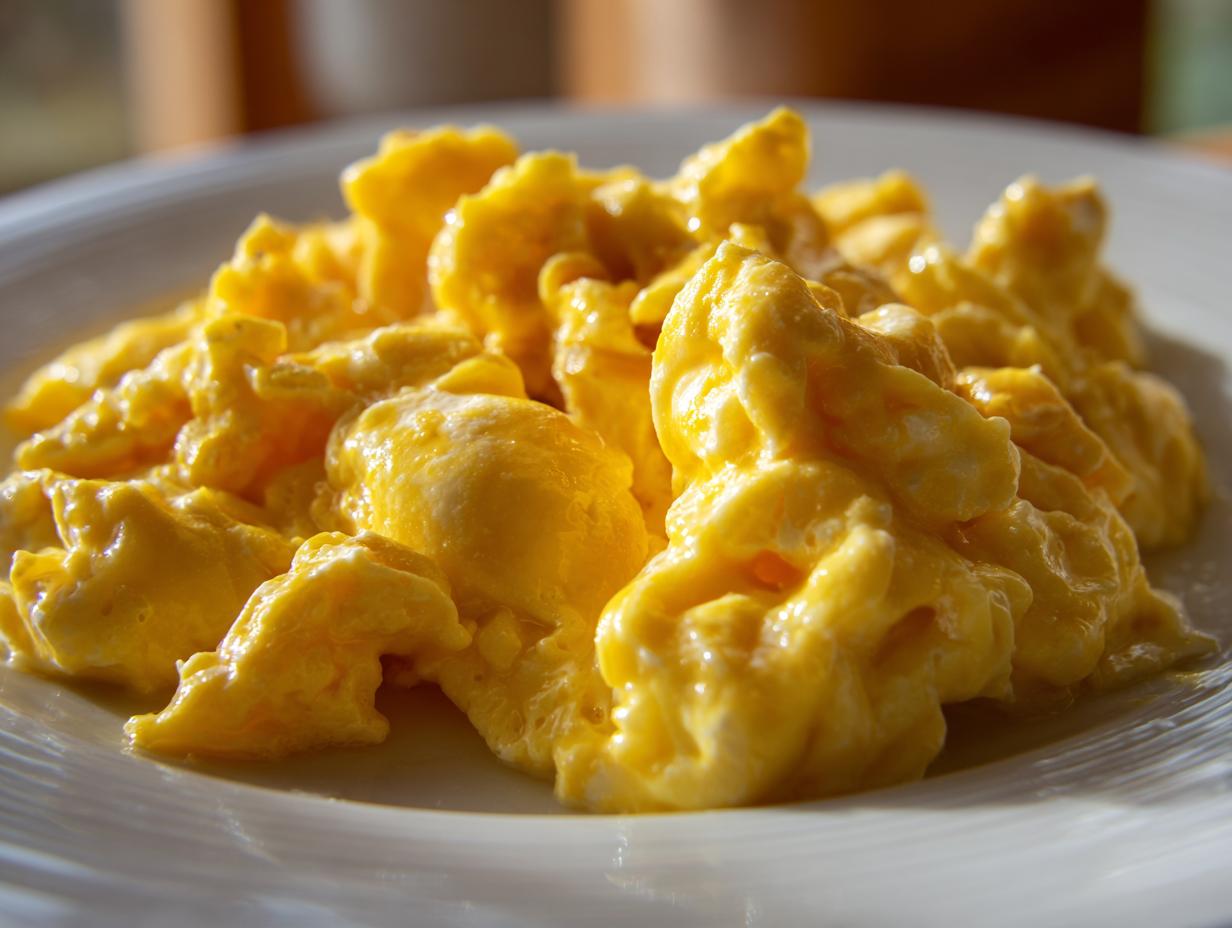
Oh, breakfast! Is there anything better than starting your day with a plate of truly perfect food? I know that struggle well. When I was teaching and raising my kids, finding wholesome meals that didn’t take all morning was critical. That’s why I’m so excited to share what I believe is the secret to making the most incredible scrambled eggs you’ve ever tasted. Forget those rubbery, dry versions you get sometimes! Rosa Sterling perfected this method—low and slow—to get eggs that are unbelievably creamy yet magically fluffy every single time. Trust me, this simple technique changes everything.
- Why This Creamy and Fluffy Scrambled Eggs Recipe is Your New Favorite
- Ingredients for the Best Creamy and Fluffy Scrambled Eggs
- Mastering the Fluffy Eggs Technique for Perfect Scrambled Eggs
- Chef Tips for Eggs: Making Gourmet Simple Breakfast
- Serving Suggestions for Your Perfect Scrambled Eggs
- Storage and Reheating Instructions for Scrambled Eggs
- Frequently Asked Questions About Scrambled Eggs
- Nutritional Estimates for This Scrambled Eggs Recipe
- Share Your Best Breakfast Ever Experience
Why This Creamy and Fluffy Scrambled Eggs Recipe is Your New Favorite
I know you’ve tried plenty of egg recipes, but this one just hits different. Why? Because we are solving the number one problem people have with breakfast: achieving texture perfection without spending an hour at the stove! This recipe delivers what everyone wants.
- You Get Both Fluffy AND Creamy: This isn’t an either/or situation here. We manage to incorporate air for fluffiness while using low heat to create a rich, tender bite.
- It’s a True Quick Morning Meal: Even with the low heat recommendation, you’re looking at about 8 minutes total. That means this is easily a 5 Minute Breakfast that tastes like you spent way more time on it.
- Reliable Results: If you follow the heat rule, your batch of scrambled eggs will turn out amazing every time. No guesswork involved!
Achieving the Perfect Texture: Creamy Scrambled Eggs
The real magic here is leaning into that low heat cooking method. When you cook eggs fast and hot, you end up with those dry, spongy little bits nobody wants, right? By giving the eggs time to gently set over low heat, we create those gorgeous, soft curds. This slow method is what gives you those decadent, almost custardy scrambled eggs that look like they came straight out of a fancy diner. It’s the secret to truly great scrambled eggs.
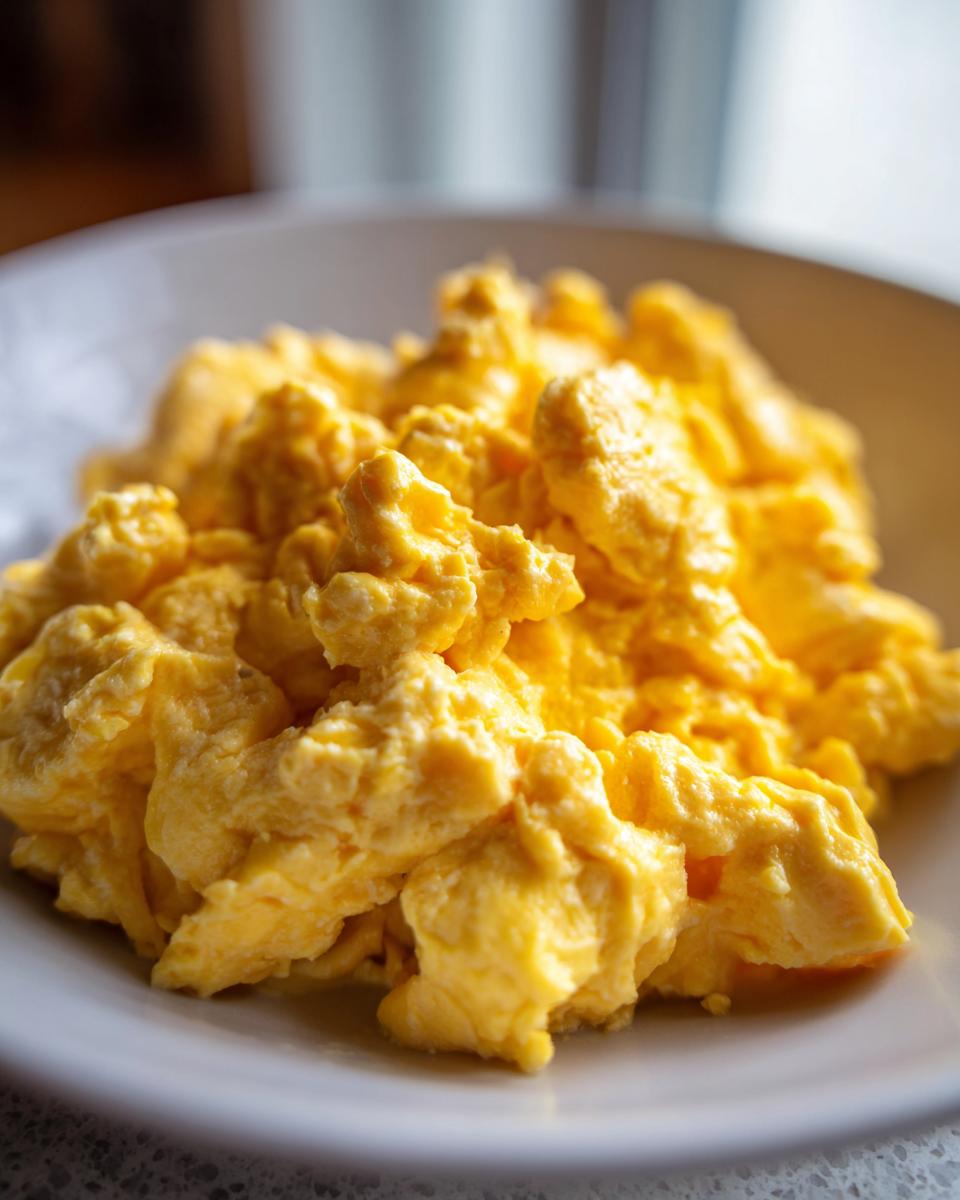
Quick Morning Meals Ready in Under 10 Minutes
Don’t think for a second that ‘low and slow’ means ‘slow cooking’ in general! When I say low heat, I mean keeping that flame low, but because we only use a few eggs at a time, the entire process of making your scrambled eggs stays snappy. If you’re looking for quick morning meals that don’t taste like a compromise, this is it. You’ll be sitting down to eat well before your toast is even done popping!
Ingredients for the Best Creamy and Fluffy Scrambled Eggs
Okay, now that you know *why* this method works, let’s look at what you need. The ingredient list is wonderfully short—that’s the beauty of focusing on technique! Remember what I learned from my mom; great meals don’t need a mile-long shopping list, just good stuff handled correctly.
- 4 large eggs (Fresh is best! They make a huge difference.)
- 2 tablespoons half and half (This is my go-to, but see below for other options!)
- 1 tablespoon unsalted butter (Please, use the real stuff. It melts cleaner and tastes far better than margarine.)
- Pinch of salt (Kosher salt works great here.)
- Pinch of black pepper (Freshly cracked, always!)
We talked about making sure we get those perfect textures, and these simple components are what let us shine. If you want to see more inspiration on getting that light, airy texture, check out this great guide on fluffy eggs here.
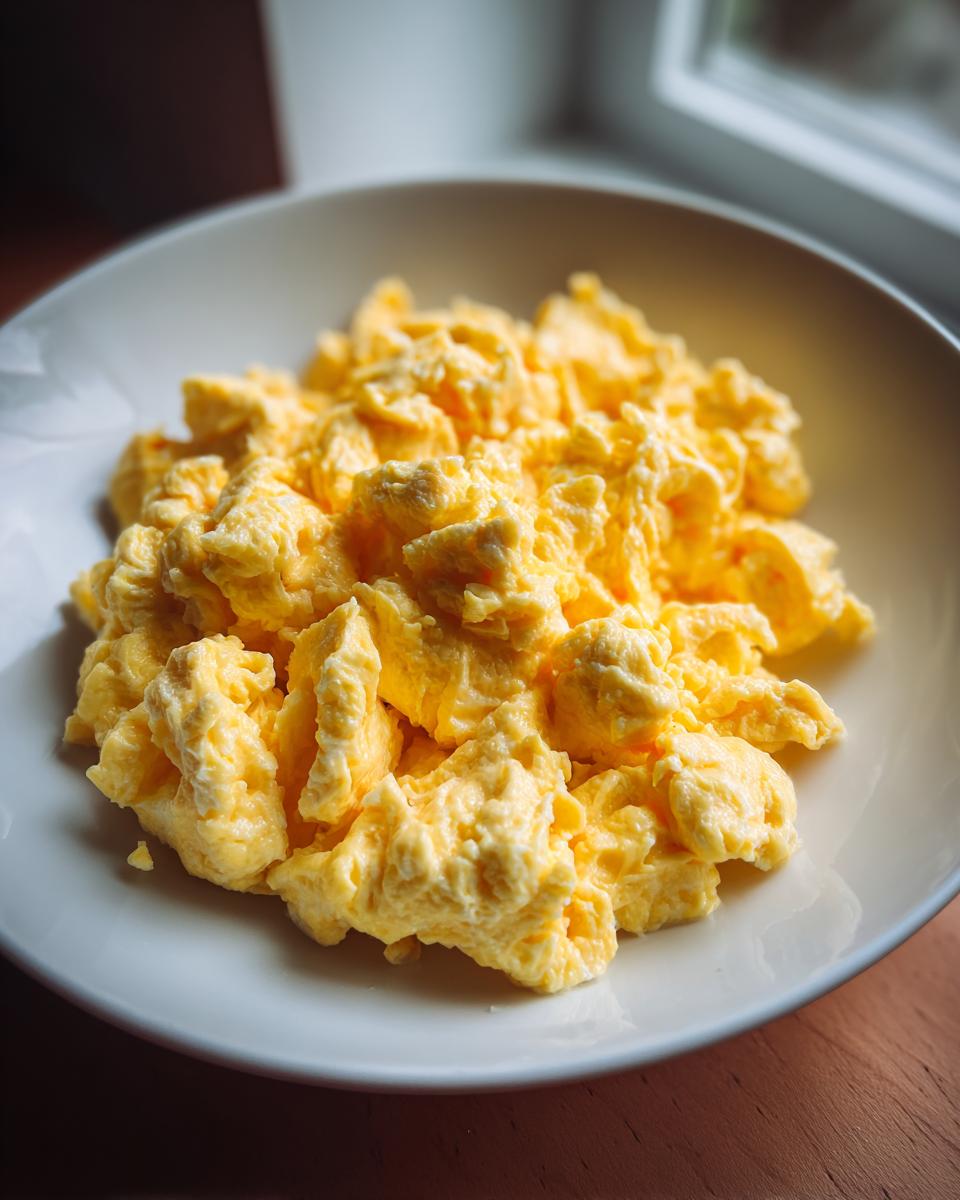
Ingredient Notes and Substitutions for Scrambled Eggs
The dairy you choose really sets the tone for how custardy your final dish will be. Half and half gives you that perfect middle ground between fluffy and rich, which is exactly what we are aiming for with these scrambled eggs.
If you want to dive deep into decadent, almost decadent, creamy scrambled eggs, swap the half and half for heavy cream. It really amps up the richness! On the flip side, if you’re just trying to keep things a bit lighter or are out of everything else, regular milk will work, but the texture won’t be quite as luxurious.
Also, don’t skimp on the eggs! For this recipe to work properly, you need large eggs. Smaller eggs don’t have the right ratio of yolk to white, which throws off that balance Rosa worked so hard to achieve. Bigger eggs bring more structure and flavor to your scrambled eggs, making them taste more substantial.
Mastering the Fluffy Eggs Technique for Perfect Scrambled Eggs
This is where the guesswork ends and true breakfast mastery begins! Getting the texture right in your scrambled eggs is all about patience, which is something Rosa learned firsthand balancing teaching and motherhood. She realized that rushing the eggs was the cardinal culinary sin. We are using the low heat cooking methods exclusively here because that gentle heat is what transforms basic eggs into something sublime. You’ll notice the instructions tell you to whisk vigorously—we want air in there! As we learned back when we talked about Rosa Sterling’s background, reliable results come from proven methods.
Step 1: Preparation and Whisking for Air Incorporation
Grab your bowl with the eggs, half and half, salt, and pepper. Don’t just mix them gently; you need to whisk them hard, almost painfully hard! We are actively trying to incorporate air here. This vigorous whisking is what gives you that amazing lift—it’s the key to the fluffy eggs technique. Keep going until everything is one consistent pale yellow color and you see some froth starting on top. If you skip this, your scrambled eggs will be flatter, guaranteed.
Step 2: Low Heat Cooking Methods for Creamy Scrambled Eggs
Next, get your non-stick pan on the stove, but keep that dial way down low! Melt your butter until it’s foamy, then pour everything in. Let those edges set up for just a moment—maybe 30 seconds—without touching them. Now, take your rubber spatula and gently push the cooked bits toward the middle, letting the raw egg flow underneath. Remember, we are folding, not stirring like you’re mixing cement! This slow movement creates those large, soft curds essential for creamy scrambled eggs. The most important trick? When they still look slightly wet and shiny, pull the pan off the heat! The residual heat in the pan finishes the job perfectly, preventing them from drying out.
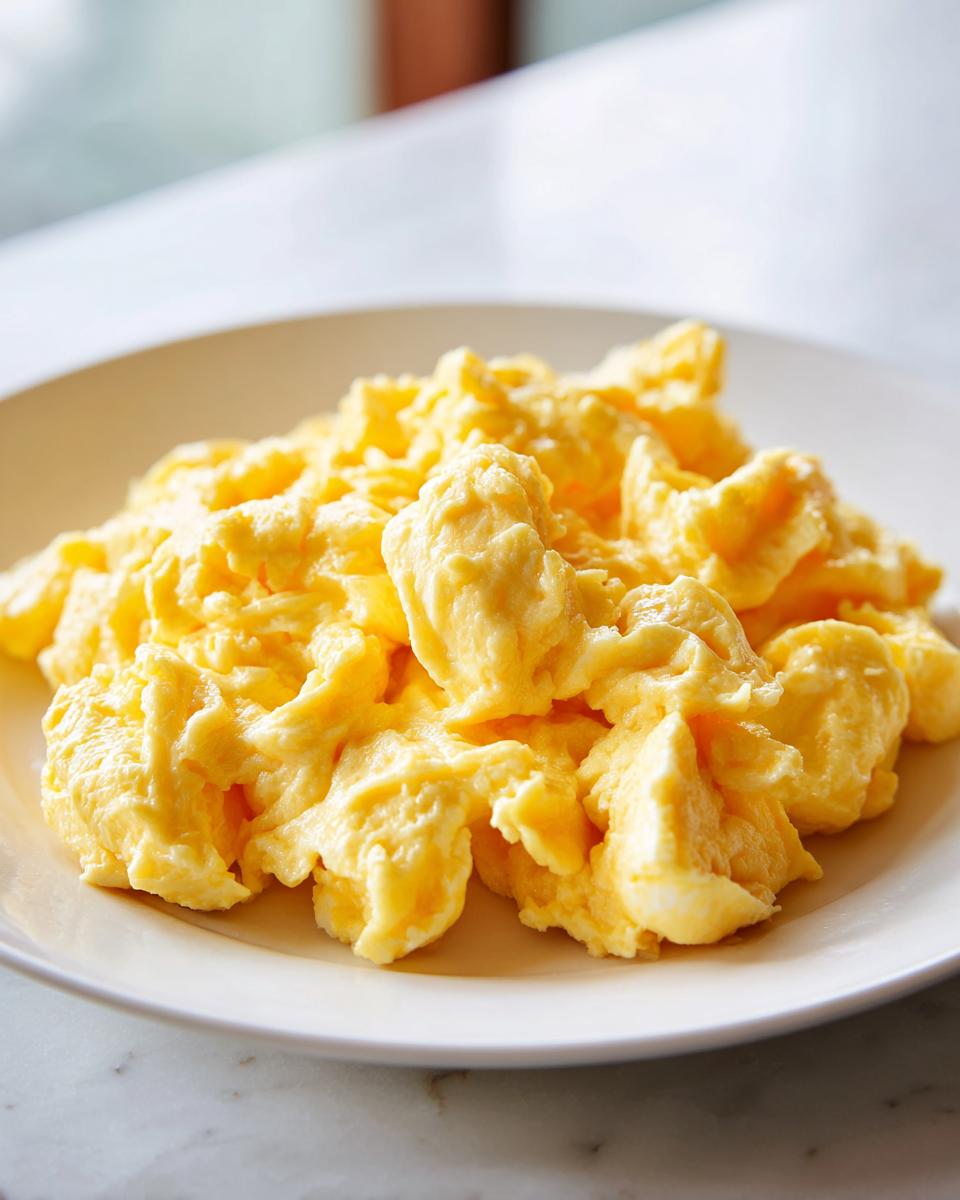
Chef Tips for Eggs: Making Gourmet Simple Breakfast
Now that you’ve mastered the heat and the gentle fold, let’s talk about how we can elevate these into something truly special. These little additions transform a great weekday start into a proper weekend brunch dish without adding any real stress. These are the kinds of insights I picked up over years of trying to make simple meals feel luxurious!
Adding Flavor Enhancements to Your Scrambled Eggs
The base recipe is gorgeous on its own, but a tiny bit of enhancement goes a long way. If you’re looking for that fresh, oniony bite, nothing beats fresh herbs. For instance, adding finely chopped snipped chives right at the very end—literally as you’re taking the pan off the heat—is magic. You want them to wilt slightly from the residual warmth but not actually cook, or they turn bitter.
If cheese is more your speed, you need to choose wisely and toss it in at the right moment. I often use a sharp cheddar or even a soft goat cheese. The trick with scrambled eggs with cheese is adding it just before they are finished cooking. If you dump the cheese in too early, it can melt too quickly and make the eggs heavy instead of light. You want those little pockets of melted goodness throughout, like little cheesy surprise bombs! If you want some inspiration on flavor additions, you can see some ideas here regarding great ways to serve these eggs.
Honestly, once you master the base method, experimenting with toppings makes every morning feel like you’re serving up gourmet simple breakfast!
Serving Suggestions for Your Perfect Scrambled Eggs
So now you have this incredibly soft, gorgeous plate of scrambled eggs. What do you serve them with? These eggs are flexible enough for a weekday rush or a big Sunday gathering. For a classic comfort food breakfast vibe, you absolutely have to serve these over thick, buttered sourdough toast. The toast soaks up any residual creamy goodness from the plate—it’s incredible!
But wow, if you’re hosting a relaxing weekend event, try rolling them up inside warm tortillas with some salsa verde for amazing brunch recipes. Honestly, because they are so soft, they make any simple addition feel fancy. Enjoy every bite of your fresh masterpiece!
Storage and Reheating Instructions for Scrambled Eggs
Now, I have to be honest with you: these creamy scrambled eggs are absolutely, one hundred percent, best eaten the second they leave the pan. That soft, custardy texture is fleeting, and reheating can be tricky! But hey, sometimes you make too many (or you’re just planning ahead), so you need to know the rules for leftovers.
If you do have leftovers, get them into an airtight container right away and into the fridge. Try not to store them for more than two days; they start losing their magic pretty quickly. The main issue with reheating scrambled eggs is that they tend to seize up and get rubbery because the proteins tighten up further when they cool.
So, how do you salvage them? Forget the microwave if you can help it! Seriously, that blasts the moisture right out of them. The best way to reheat your scrambled eggs is on the stovetop, just like you cooked them, but even lower and slower.
Put a teaspoon of butter or a splash of half and half in your non-stick pan over very, very low heat. Gently fold the cold eggs into the hot fat. You’re not trying to cook them again; you’re just trying to bring them back up to temperature without drying them out. Just warm them through until they are soft again. It takes patience, but this gentle nudge is the only way to salvage those creamy scrambled eggs and keep them from turning into bouncy pucks.
Frequently Asked Questions About Scrambled Eggs
I get so many questions about eggs, which I love! It seems like everyone has a slightly different way they were taught to make them, right? But if you’re looking for that perfect texture—that gold standard of how to cook eggs perfectly—you need consistent answers. Here are a few things I hear most often from folks trying to achieve incredible Breakfast Classics at home.
Can I make fluffy scrambled eggs without milk or cream?
Absolutely, you can! If you’re out of dairy or trying to keep it super simple, it totally works. The key to getting that lift, that fluffiness, isn’t actually the milk; it’s the air! If you whisk those eggs vigorously—I mean until your arm gets a little tired—you incorporate tons of tiny air bubbles. When those bubbles hit the warm pan, voilà! You get fluff without the half and half. It won’t be quite as rich as the version with cream, of course, but you definitely nail the fluffy texture.
What is the best pan to use for creamy scrambled eggs?
Oh, please ditch the stainless steel for this one, unless seasoned perfectly! For achieving that smooth, creamy scrambled eggs texture, you really, really want a good quality non-stick skillet. Why? Because we are moving the eggs around gently, folding them slowly. If they stick even a little bit, you end up tearing up those beautiful soft curds when you try to scrape them loose. A non-stick surface lets those eggs slide and fold right over themselves, meaning smoother, prettier, and far more delicious results.
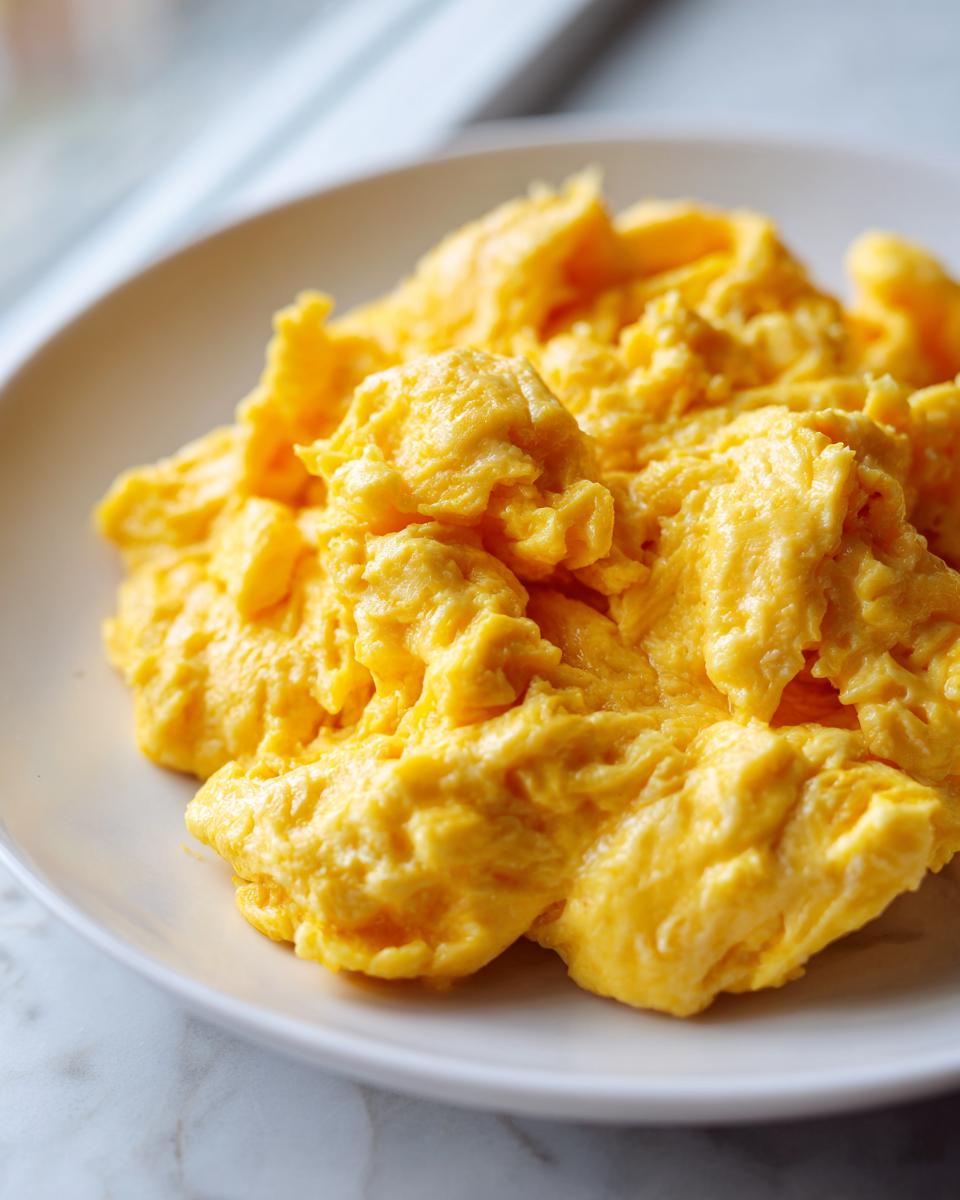
I use a specific 10-inch non-stick pan every time for my regular batch. It’s honestly the easiest way to control that gentle movement needed for cooking eggs perfectly on low heat. You can find my favorite non-stick pans, which I’ve tried and tested, right over here if you need a recommendation!
Nutritional Estimates for This Scrambled Eggs Recipe
I always try to remember that while we are making delicious food, we also want to feel good about what we’re putting into our bodies, especially when it’s a high protein breakfast like this! Because these scrambled eggs are rich with fresh eggs and butter, the numbers add up nicely, offering great fuel for your day.
Now, I want to be really clear: these numbers are just estimates based on the specific ingredient amounts listed in the recipe above. If you use heavy cream instead of half and half, or if you add a big handful of cheese, those numbers are definitely going up! Always treat these as a general guideline for the basic recipe.
Here is what you can generally expect from one serving of these creamy, fluffy eggs:
- Calories: Around 250
- Fat: About 18g (This includes that lovely, creamy butter!)
- Protein: A fantastic 20g! You know eggs are powerhouses.
- Carbohydrates: Very low, usually just 2g.
- Sugar: A tiny 1g—most of that comes naturally from the dairy.
- Sodium: Roughly 150mg (This depends completely on how much salt you choose to add.)
See? A quick, delicious, and satisfying meal that packs a serious protein punch. It’s the kind of simple, wholesome food that I always aimed to get on the table when I was juggling school runs and homework!
Share Your Best Breakfast Ever Experience
Wow, we made it! You are now armed with the secrets to making the most wonderfully creamy and fluffy scrambled eggs known to humankind. I really hope this recipe becomes a staple for you, whether you need a super fast weekday option or you’re trying to nail that perfect brunch for guests. This method is the one I trust every single time, and I want to know if it works for you, too!
Seriously, the feedback I get from readers like you is what keeps this kitchen cooking! Did you try the low-and-slow heat? Did you whisk them until your arm hurt? Tell me everything!
Drop a comment below with your rating and let me know how your scrambled eggs turned out. Were they the creamiest you’ve ever made? If you loved them so much you shared a picture on social media (and I hope you did!), tag me so I can see your beautiful breakfast spread. And hey, if you ever have questions about substitutions or want to share what you paired them with—say, they made a great addition to breakfast tacos—head over to my contact page and send me a note. Happy cooking, and enjoy that best breakfast ever!
PrintThe Best Creamy and Fluffy Scrambled Eggs
Learn the simple technique for making soft, creamy, and fluffy scrambled eggs every time, perfect for a quick and satisfying breakfast.
- Prep Time: 3 min
- Cook Time: 5 min
- Total Time: 8 min
- Yield: 1 serving 1x
- Category: Breakfast
- Method: Stovetop Cooking
- Cuisine: American
- Diet: Vegetarian
Ingredients
- 4 large eggs
- 2 tablespoons half and half (or milk/cream)
- 1 tablespoon unsalted butter
- Pinch of salt
- Pinch of black pepper
Instructions
- Crack the eggs into a medium bowl. Add the half and half, salt, and pepper.
- Whisk the mixture vigorously with a fork or whisk until the yolks and whites are completely combined and slightly frothy. This incorporates air for fluffiness.
- Place a non-stick skillet over low heat. Add the butter and let it melt completely until it foams slightly.
- Pour the egg mixture into the skillet. Let the eggs sit undisturbed for about 30 seconds until the edges just begin to set.
- Using a rubber spatula, gently push the cooked egg from the edge toward the center, tilting the pan so the uncooked egg flows underneath.
- Continue this low and slow pushing and folding motion. Do not stir rapidly; you want large, soft curds, not small, dry pieces.
- Cook until the eggs are mostly set but still look slightly wet. Remove the pan from the heat immediately; the residual heat will finish cooking them to a creamy consistency.
- Serve right away for the best texture.
Notes
- For extra flavor, add 1 teaspoon of finely chopped fresh chives just before serving.
- If you prefer a richer texture, substitute the half and half with heavy cream.
- Cooking over low heat is the secret to achieving custardy, creamy scrambled eggs. Do not rush this step.
Nutrition
- Serving Size: 1 serving
- Calories: 250
- Sugar: 1
- Sodium: 150
- Fat: 18
- Saturated Fat: 10
- Unsaturated Fat: 8
- Trans Fat: 0
- Carbohydrates: 2
- Fiber: 0
- Protein: 20
- Cholesterol: 550