

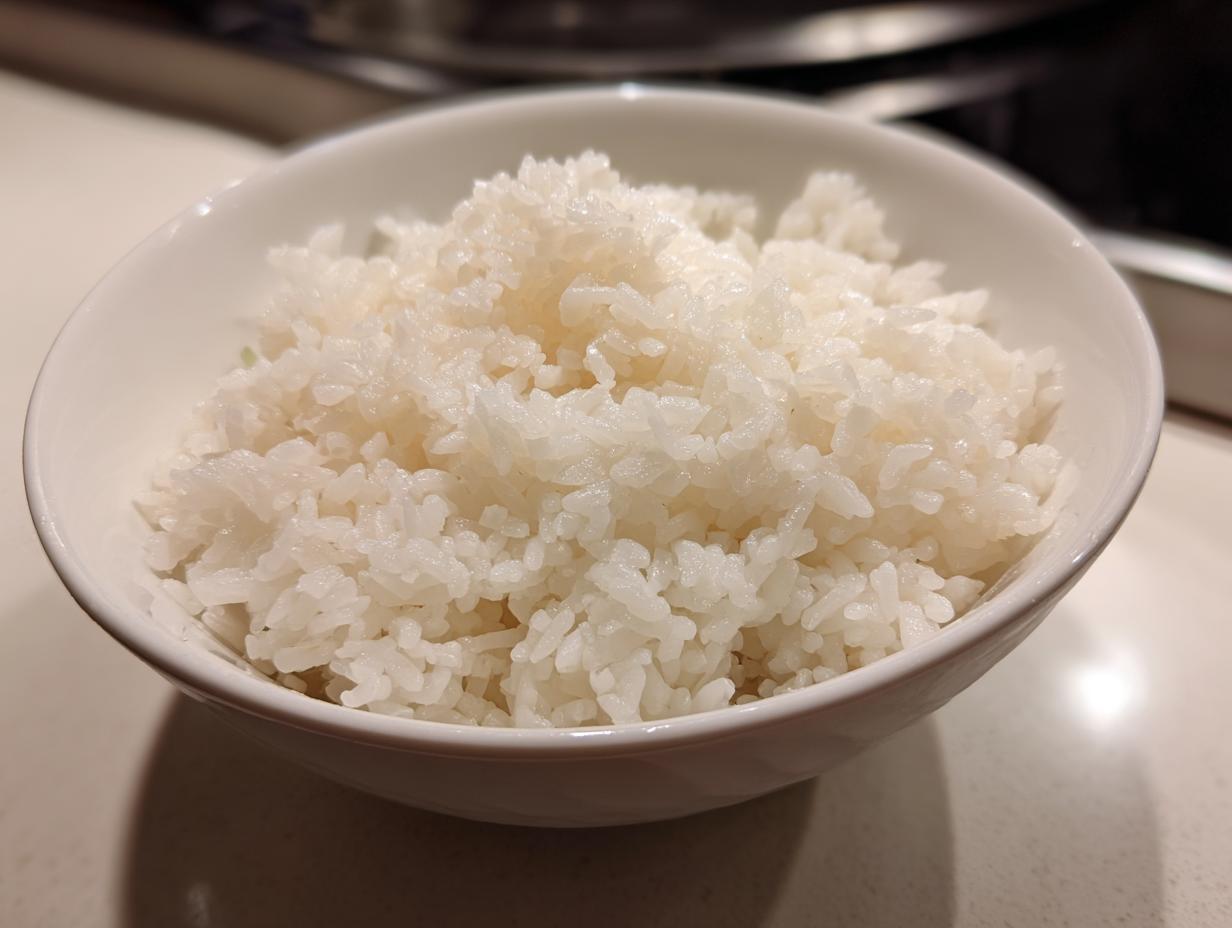
Oh, have you ever gotten that package of homemade sushi and the rice just sort of… slides apart? Or maybe you’ve tried to make it yourself and ended up with either soup or little hard pebbles? Trust me, I’ve been there so many times! When I was juggling teaching third grade and chasing after my own little ones, complex recipes just weren’t going to cut it. That’s why I developed this sushi rice guide—it’s my absolute foolproof method.
I’m Rosa Sterling, and I’m not a fancy chef; I’m just someone who learned to make reliable, amazing food during the evening dinner rush. This recipe takes the mystery out of making that essential sticky, perfectly seasoned sushi rice. If you can cook plain white rice, you can nail this. Once you master this technique, homemade sushi night becomes the easiest, most impressive thing you do all week!
- Why This Homemade Sushi Rice Recipe Guarantees Success
- Essential Ingredients for Authentic Sushi Rice
- Step-by-Step: How to Wash Sushi Rice Properly
- The Foolproof Sushi Rice Tutorial: Cooking Methods
- Mastering How to Season Sushi Rice
- Tips for Success When Making Sushi Rice from Scratch
- Troubleshooting Common Issues with Sushi Rice
- Frequently Asked Questions About Sushi Rice
- Estimated Nutritional Profile for Perfect Sushi Rice
- Share Your Homemade Sushi Rice Creations
Why This Homemade Sushi Rice Recipe Guarantees Success
Look, I get it. You want rice that holds together when you roll it but still tastes light, not like glue. That’s why I developed this tutorial—it’s designed to eliminate the guesswork. After years of making this for my own family’s busy weeknights, I know these tips work when you need them to.
Here’s what you are going to get when you follow my steps:
- No more sad, mushy piles of rice! We focus on the essential fluffy sushi rice tips.
- You’ll achieve that perfect, mild stickiness required for the best sticky rice for sushi.
- This method comes directly from learning how to wash sushi rice properly, which is key!
The Secret to Perfect Sushi Rice Texture
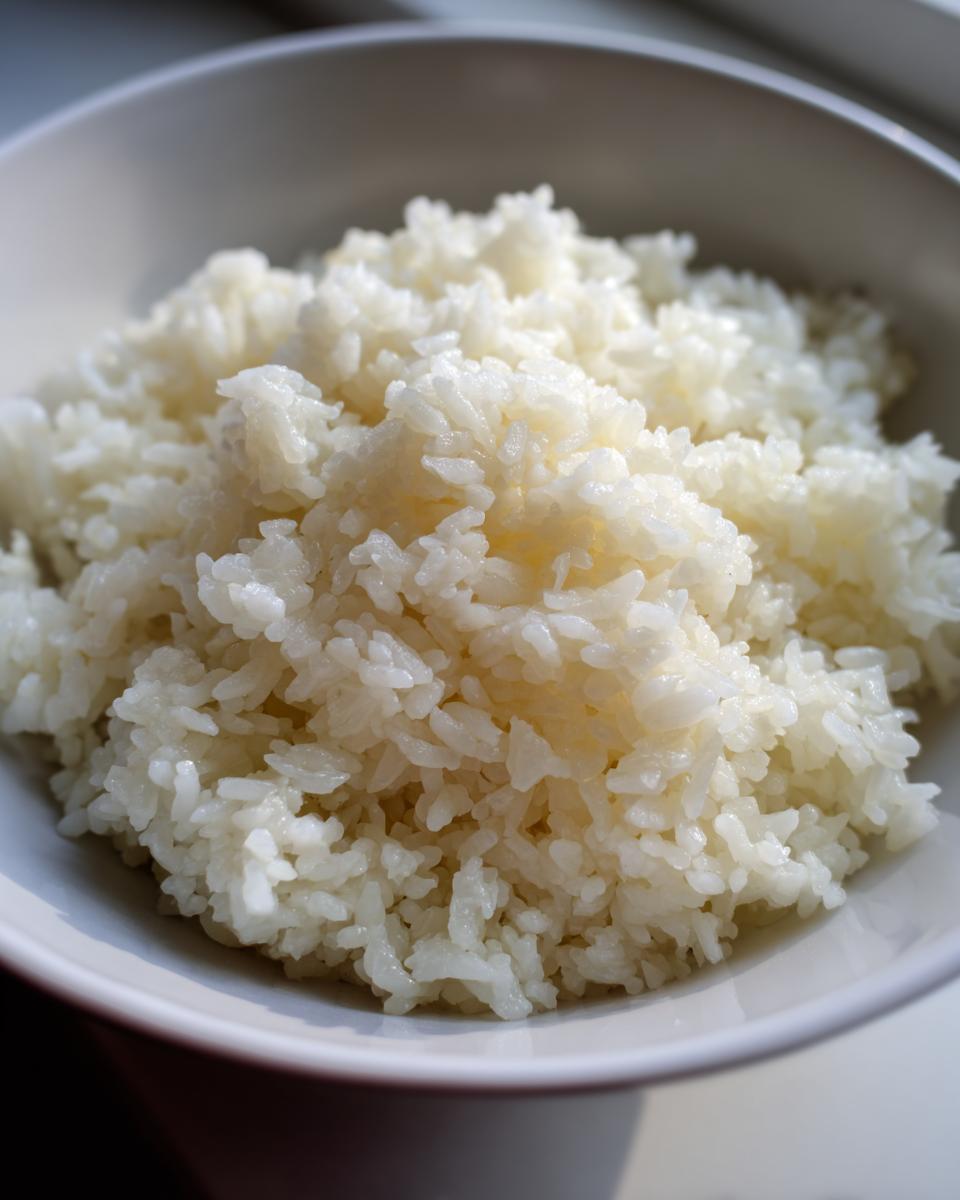
It starts way before the heat goes on! You must use the right grain—short-grain Japanese rice is non-negotiable if you want proper sushi rice. Then, you have to wash it until the water is practically clear. If you skip that thorough rinsing, you’re trapping excess starch, and that’s what turns your beautiful rice into a gummy mess. You can read more about the importance of washing here: why you absolutely must wash rice for sushi. It takes patience, but wow, does it pay off!
Achieving the Ideal Japanese Rice Seasoning Balance
The seasoning—or *sushi-zu*— is what separates bland, sticky rice from restaurant-quality rice. We aren’t aiming for sourness; we want a subtle, sweet-and-salty hug for the grains. My homemade recipe nails that how to season sushi rice ratio perfectly every time. That slight tang just makes the whole experience pop when you bite into your roll!
Essential Ingredients for Authentic Sushi Rice
Okay, let’s talk about what you need. This isn’t the time to use whatever rice is lingering in the back of your pantry! For truly amazing sushi rice, the ingredients have to be right, otherwise, you’re headed for trouble. I promise you, trekking to the store for the right grain is worth the effort for this homemade sushi rice recipe.
Here is the short, non-negotiable list you’ll need to gather before you even look at the stove:
- 2 cups of that crucial short-grain Japanese rice (the only way to go!)
- 2 cups of cold water for cooking
- A very specific blend: 1/2 cup rice vinegar, 3 tablespoons granulated sugar, and 1 teaspoon fine sea salt.
Choosing the Best Rice for Sushi Making
If you remember one thing from my entire guide, please remember this: you must use short-grain rice labeled specifically for sushi. This grain has the exact starch content needed to get that glossy, sticky result. If you try to use long-grain white rice—like Basmati or Jasmine—it just won’t clump correctly. It yields rice that’s too dry and crumbly, not the best rice for sushi making! We start with two cups of dry rice for this recipe, which is perfect for a standard home batch of sushi rice.
Crafting the Perfect Rice Vinegar Mixture
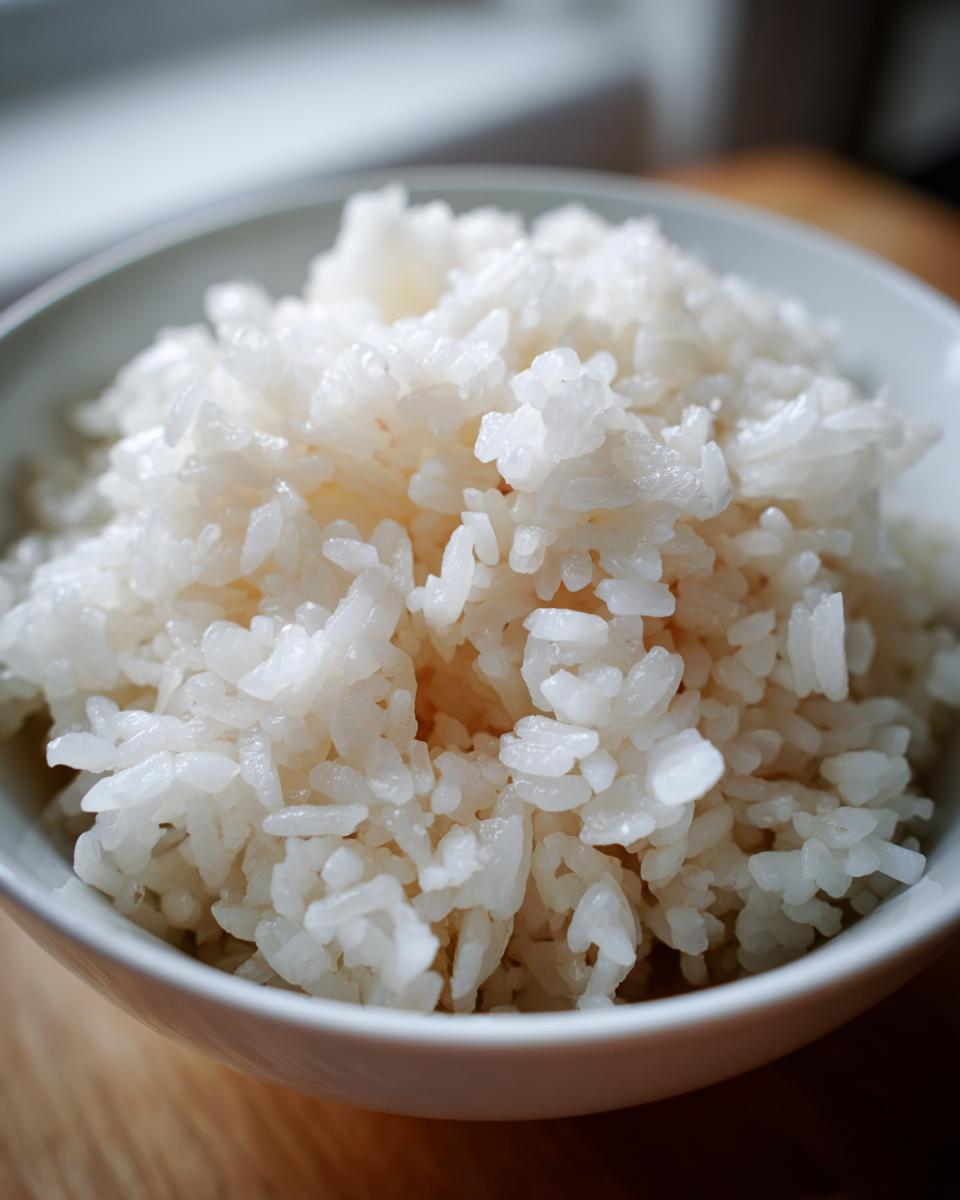
This is where the authentic Japanese flavor comes in! You’re mixing rice vinegar, sugar, and salt together, but listen closely—you need to heat it *just* enough so the salt and sugar completely vanish into the liquid. Don’t let it boil; we just want it warm and dissolved. Getting the measurements right here is the secret to the perfect rice vinegar mixture. If you get this seasoning step wrong, the whole batch of sushi rice is off!
Step-by-Step: How to Wash Sushi Rice Properly
Alright, listen up! If you want to master the no mushy rice technique for sushi, this is ground zero. Before we even turn on the heat, a huge amount of effort goes into prepping our short-grain rice. This step removes all that surface starch that makes everything sticky in the wrong way—we want sticky for rolling, not sticky like paste!
I learned this the hard way when I first tried making rolls for my PTA fundraiser. I thought washing it twice was enough. Nope! The rolls imploded. My grandmother sat me down and told me to stop rushing. She made me rinse that sushi rice over and over until the water looked almost pristine, not that milky white sludge coming off initially.
This is how to wash sushi rice properly: put the rice in a big bowl, cover it with cold water, and swirl it around gently—don’t crush the grains! Pour out that cloudy mess. You need to repeat this draining and refilling process at least five, but honestly, seven times is better. Once the water runs mostly clear, you’re ready for the essential draining period. Trust me, taking this extra ten minutes now saves you tears later! You can find more about this vital step here: why you absolutely must wash rice for sushi.
The Foolproof Sushi Rice Tutorial: Cooking Methods
Now for the fun part—cooking our perfectly washed sushi rice! You’ve prepped it, you’ve drained it, and now we turn the heat on. This is where precision really matters, so put away the distractions for about 25 minutes. I’m giving you two ways to go here, because I know not everyone has a dedicated rice cooker sitting on the counter, though both methods lead to that ideal sticky texture for your homemade sushi.
Stovetop Method for Perfect Sushi Rice
If you’re using the classic stovetop, grab a heavy pot with a lid that seals tightly. You’ll combine your drained rice and the two cups of cold water. Turn the heat up to medium-high and bring that water to a full, rolling boil. The second it boils, you must immediately drop that heat as low as it will possibly go—like, barely a whisper of heat. Cover it, and walk away! Let it simmer for exactly 15 minutes. And I mean exactly! Don’t be tempted to peek; lifting that lid lets all the steam escape, and you’ll end up with undercooked sushi rice. Once those 15 minutes are up, pull the pot completely off the burner, but keep that lid firmly clamped down for another 10 minutes of rest. That passive steaming is what ensures you don’t have any hard, undercooked bits in your rice.
Using a Rice Cooker for Simple Sushi Rice
If you prefer the electric helper, this is much easier! You’ll use the exact same 2 cups of rice to 2 cups of water ratio we used before. Follow your machine’s standard setting for plain white rice. That’s the beauty of the cooker; it handles the timing for you. If you are using an electric pressure cooker method, you can certainly adapt, but I always check out guides like the one over at Instant Pot sushi rice techniques just to be sure I’m optimizing my time! However, don’t let speed fool you! Once the cooker clicks over to ‘Keep Warm,’ you still need to let it sit, covered, for that full 10-minute rest period. You never want to transfer the sushi rice straight from the machine to the seasoning bowl without that final steam.
Mastering How to Season Sushi Rice
This is the moment of truth, folks—the seasoning is what turns plain cooked rice into amazing sushi rice! After your 15 minutes of simmering and 10 minutes of resting, you need to create that perfect *sushi-zu*. Remember those simple measurements of rice vinegar, sugar, and salt? Take them, add them to a small saucepan, and heat them on low. I mean low! You just want to stir it until every crystal of salt and sugar melts away. Do not, I repeat, DO NOT let this mixture boil. Boiling ruins the flavor profile we’re working toward for that authentic taste when you make sushi rice from scratch. Once dissolved, take it off and let it cool slightly.
You’ll see tons of great tips on flavor balancing here: balancing the classic sushi rice flavors. Now, dump that perfectly seasoned liquid evenly over your hot, fluffy rice in that big, non-metallic bowl.
The Crucial Slicing Motion for Mixing Sushi Rice
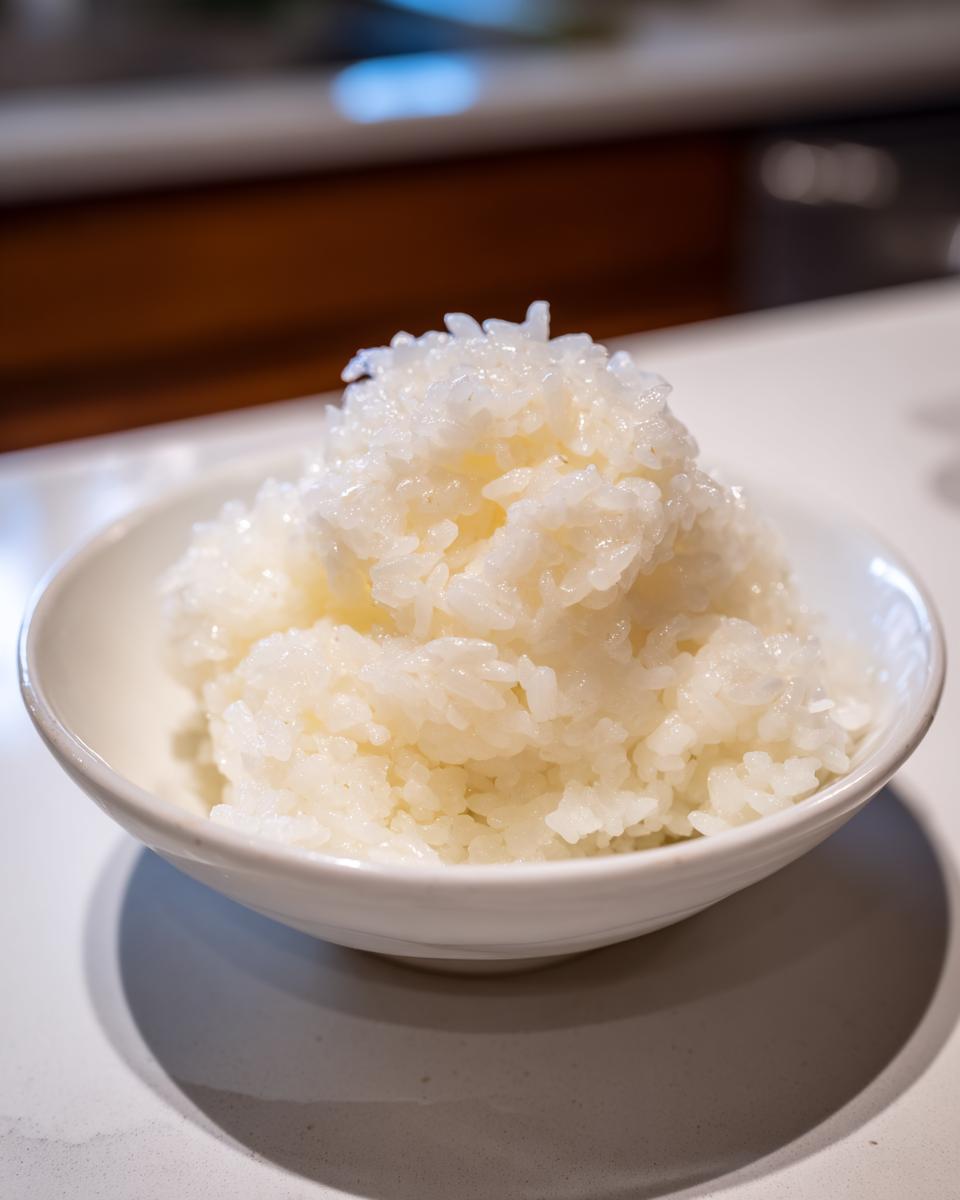
If you use a wooden paddle or an old wooden spoon, you are already halfway there. You absolutely cannot just stir this rice around like you’re mixing pancake batter! Stirring breaks those precious grains, and that’s how you get that gummy, mushy texture that makes rolls fall apart. Instead, you must use a slicing or gentle folding motion. Think about using the paddle to cut straight down through the rice and then folding it over. Go fast but gently, incorporating the seasoning layer by layer without smashing the grains into oblivion. This careful process prevents the dreaded mushy texture!
Rapid Cooling for the Best Sticky Rice for Sushi
Here is another trick I picked up over the years: while you’re slicing and folding this seasoned sushi rice, you need to fan it! My daughter sometimes uses a hardcover cookbook or a small hand fan. Rapid cooling stops the rice from absorbing too much liquid and essentially steaming itself into paste. It also helps the rice develop that beautiful, slightly glossy, sticky quality that we insist on for the best sticky rice for sushi. Keep fanning and folding until the rice cools down to just slightly warmer than body temperature. That means it’s ready immediately for rolling!
Tips for Success When Making Sushi Rice from Scratch
Even if you nail the washing and the seasoning, a few little details can make or break your final batch of sushi rice. Since I want you to have restaurant-quality results without leaving your house, I’ve gathered the tips that always help me secure that perfect texture. These are the little rules I follow every time!
- Always use a wooden, glass, or plastic bowl when seasoning. Metal bowls can react badly with the vinegar mixture and actually change the taste.
- If you aren’t rolling the sushi right away, cover the seasoned rice with a very lightly dampened kitchen towel. This keeps it from drying out on top without steaming it too much.
- Never try to reheat sushi rice! It activates the starch again and turns it into a hard brick. This recipe is best used the day you make it, or within a few hours.
- If you’re feeling ambitious for a different rice dish, this seasoning blend works beautifully on regular short-grain rice too, like in my recipe for creamy mango sticky rice!
Troubleshooting Common Issues with Sushi Rice
Even when you follow directions perfectly, sometimes cooking has other ideas, right? Don’t panic if your batch of sushi rice isn’t exactly what you dreamed of on the first go. Cooking rice is an art that takes practice. The good news is that even slightly off rice can often be saved, or at least repurposed! Mastering the no mushy rice technique for sushi is all about knowing what went wrong so you can fix it next time.
Let’s look at a few common hiccups I’ve seen over the years when people are learning to make this perfect homemade sushi rice recipe.
Why is my sushi rice too dry or too hard?
If your grains are resisting your bite and feel chalky, it almost always points back to the steam phase. Did you lift the lid during the 15-minute simmer? That’s the number one culprit! Or maybe your water ratio was slightly off—remember, short-grain rice can be fussy about liquid levels. The fix is simple: if it’s just a little dry, you can try adding just a tablespoon or two of hot water, stirring very gently with that slicing motion, and letting it sit, covered, off the heat for another 10 minutes. Usually, a lack of steam is the issue, so cover it back up and let it rest longer!
What if I accidentally stirred my sushi rice too much?
Oh, that gummy texture! If you got overzealous stirring in the seasoning and now your sushi rice is more like cement than individual grains, don’t throw it out! You’ve essentially made a very sticky rice pudding base. While it won’t hold up for delicate nigiri or tight rolls, this texture is actually fantastic for other things. Definitely use this batch as the base for hearty poke bowls tonight, or mash it up slightly and use it to make simple onigiri (rice balls) that you can press with fillings. It’s still delicious, just not ideal for wrapping!
Frequently Asked Questions About Sushi Rice
I know when you’re trying something new, like aiming for that authentic sushi rice method, you end up with a bunch of random questions popping up! That’s totally natural, especially when grain science is involved. I try to keep things simple here, but sometimes we need to talk specifics about ingredients and storage. Don’t worry about asking too many questions; that’s how we learn to nail our sushi rice!
Can I use brown rice instead of short-grain rice for sushi rice?
Oh, sweetie, please don’t! While brown rice is super healthy, it doesn’t have the right kind of starch we need for that signature stickiness. This whole short grain rice cooking guide is based on the high starch content that lets the grains adhere beautifully. If you use brown rice, it ends up much chewier, drier, and it just won’t hold a roll together. For proper rolls, you absolutely need the Japanese short-grain white rice. Stick to the recipe!
How long does seasoned sushi rice stay good?
This seasoned sushi rice is best eaten the day you make it, honestly. If you have extras, cover that bowl with a damp (not soaking wet!) kitchen cloth and leave it on the counter at room temperature for just a few hours. That keeps the seasoning nice and doesn’t let the surface dry out too much. If you try to store it in the fridge, the vinegar and starch react, and it gets rock hard and truly awful! If you have leftovers, it’s better to use it soon, or maybe warm it gently with a splash of water if you need it for something else, like a quick healthy rice bowl.
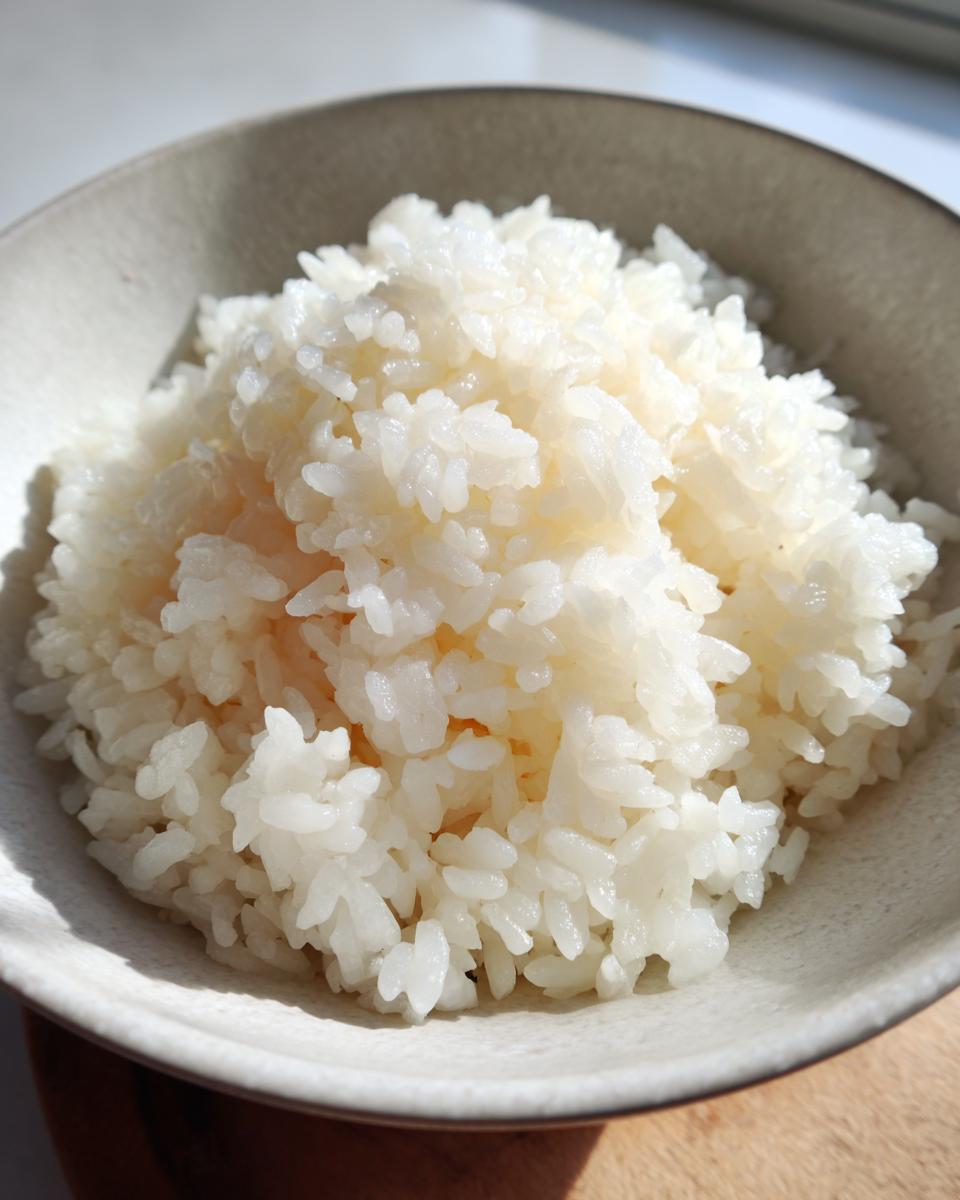
Estimated Nutritional Profile for Perfect Sushi Rice
Now, after all that hard work getting the washing and seasoning just right, you might wonder what you’re actually eating! Since I’m a home cook and not a registered dietitian, please take these numbers with a grain of salt—or maybe a grain of rice, ha! The nutritional profile below is based on the cooked yield before final assembly into rolls or bowls, and it uses my standard measurements for the sushi rice seasoning.
But let’s look at what we are dealing with per serving (which is about 1/2 cup of the seasoned rice). This is a great, low-fat base recipe to build your perfect meal upon, whether you’re making nigiri or a big poke bowl!
- Serving Size: 1/2 cup cooked rice
- Calories: Roughly 180 (It adds up quickly when you pile it high on a platter!)
- Carbohydrates: Around 40 grams
- Protein: Just a touch over 3.5 grams
- Total Fat: Very low, almost negligible at about 0.2 grams.
- Sodium: About 150mg. Remember, this includes the salt in the seasoning mix, so if you go heavy on the soy sauce later, that number will jump!
Because we aren’t adding oil or any heavy fats to the cooking process for this homemade sushi rice recipe, it stays wonderfully light. The main contributor here is the sugar from the seasoning. It’s all about balance, right?
Share Your Homemade Sushi Rice Creations
Well, there we have it! You’ve washed your rice until you were bored, you’ve cooked it perfectly, and you’ve mastered the slicing motion to get that incredible texture. Now comes the best part: eating it all! I really hope this sushi rice tutorial takes the stress out of your next homemade sushi night. This recipe is built on years of my trial-and-error in my busy kitchen, and I am so excited for you to finally have perfect sticky rice every single time.
I sincerely want to hear how it went for you! Did your rolls hold together without any trouble? Were your family members impressed that you finally nailed the seasoning? Please take a moment to leave a star rating right down below—it helps other busy home cooks like me know that this recipe is reliable, and I always read every single comment you leave behind!
If you snap a picture of your beautiful homemade sushi or your vibrant sushi rice bowl base recipe, please tag me! Sharing those kitchen successes is the entire reason I started Rosa’s Tasty Kitchen in the first place. Connect with me and let me know if you have any last-minute tips to add for the next person learning this recipe. For more background on why I love simplifying meals for busy families, you can always stop by my About Page!
PrintMaster Guide: Perfect Sushi Rice (Foolproof Tutorial)
Learn how to make authentic, perfectly seasoned sushi rice with a sticky texture ideal for homemade rolls and bowls. This guide provides clear steps for achieving fluffy, non-mushy rice every time.
- Prep Time: 40 min
- Cook Time: 25 min
- Total Time: 65 min
- Yield: 4 cups cooked rice 1x
- Category: Side Dish
- Method: Stovetop Cooking
- Cuisine: Japanese
- Diet: Vegetarian
Ingredients
- 2 cups short-grain Japanese rice (sushi rice)
- 2 cups cold water (for cooking)
- 1/2 cup rice vinegar
- 3 tablespoons granulated sugar
- 1 teaspoon fine sea salt
Instructions
- Wash the rice: Place the short-grain rice in a large bowl. Cover with cold water. Swirl the rice gently with your hand. Drain the cloudy water. Repeat this washing process 5 to 7 times until the water runs mostly clear. This step removes excess starch.
- Drain the rice: Let the washed rice drain in a fine-mesh sieve for at least 30 minutes.
- Cook the rice (Stovetop Method): Combine the drained rice and 2 cups of cold water in a heavy-bottomed pot with a tight-fitting lid. Bring the water to a boil over medium-high heat. Once boiling, immediately reduce the heat to the lowest setting, cover the pot, and simmer for exactly 15 minutes. Do not lift the lid during this time.
- Rest the rice: Remove the pot from the heat and let it stand, still covered, for another 10 minutes. This allows the rice to steam fully.
- Prepare the seasoning mixture: While the rice rests, gently heat the rice vinegar, sugar, and salt in a small saucepan over low heat. Stir until the sugar and salt completely dissolve. Do not boil the mixture. Remove from heat and let it cool slightly.
- Season the rice: Transfer the cooked rice to a large, non-metallic bowl (wood or glass is best). Pour the seasoning mixture evenly over the hot rice.
- Mix and cool: Use a slicing or folding motion with a rice paddle or wooden spoon to incorporate the seasoning. Do not stir or mash the grains. Fan the rice while mixing to help it cool quickly to body temperature. This creates the characteristic glossy, sticky texture.
- Use immediately for sushi rolls or cover with a damp cloth until ready to serve.
Notes
- Use only short-grain rice labeled as sushi rice for the best sticky consistency. Long-grain rice will not work.
- Do not skip the resting period after cooking; this is key to fluffy sushi rice.
- When mixing the seasoning, avoid stirring vigorously, which breaks the grains and makes the rice mushy.
- If using a rice cooker, use the same water-to-rice ratio and follow the cooker’s standard white rice setting, then proceed to the resting and seasoning steps.
Nutrition
- Serving Size: 1/2 cup cooked
- Calories: 180
- Sugar: 6
- Sodium: 150
- Fat: 0.2
- Saturated Fat: 0
- Unsaturated Fat: 0.2
- Trans Fat: 0
- Carbohydrates: 40
- Fiber: 0.5
- Protein: 3.5
- Cholesterol: 0